
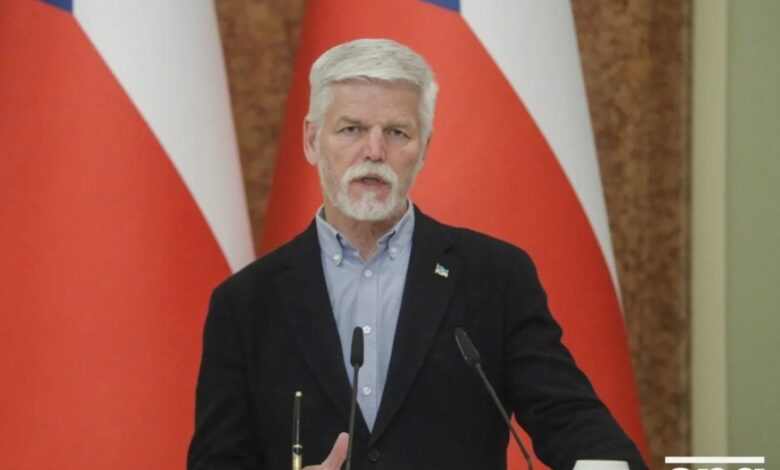
Czech President Pavel discusses Trump’s diesel deal impact
Czech President Petr Pavel has stated that coordinated sanctions from the United States and Europe on Russian oil and oligarchs have kept pressure on Russia. However, he warned that the recent agreement announced by former President Donald Trump, which allows Russia to supply hundreds of thousands of tons of diesel fuel to the U.S., has given the Kremlin an opportunity to regroup.
Pavel expressed concern that reaching a ceasefire between Ukraine and Russia has become significantly more challenging as a result. “Now it will be much harder to agree on a ceasefire. Russia is using this momentum to ease pressure, serving as a sort of moral boost for them,” he explained.
He offered support to Ukrainian President Volodymyr Zelensky, who has faced criticism from Trump recently. Pavel reiterated that it was not Ukraine that attacked Russia, but the other way around.
According to Pavel, Trump is currently demonstrating a more open approach toward Russia than any European leader. “To some extent, he may be attracted to Putin as a powerful leader, but I don’t think Trump views this from the perspective of the struggle between democracy and autocracies; rather, he sees it strictly in terms of U.S. economic prosperity,” he emphasized.
While Pavel did not dismiss the potential for European nations to buy Russian oil in the future, he noted that “time is needed” before that could occur. He insisted that Russia must first become a country that respects the sovereignty and borders of other nations.
Context
- On October 9, Trump had a phone conversation with Putin, following which he announced the agreement for Russian diesel supplies to the U.S. and the global market. This temporary general license from OFAC will remain effective until April 7, 2027.
- Zelensky criticized this agreement, calling it “an investment in war,” and described the easing of sanctions without clear, long-term agreements for de-escalation as “an obvious weakness.”
- On October 11, Trump announced an energy ceasefire between Ukraine and Russia, which both sides reportedly agreed to. Zelensky responded by stating he was unaware of any agreement but confirmed Ukraine’s willingness to support it if Russia also complied. However, Russia did not cease its attacks.
- In an interview with the Financial Times published on October 15, Zelensky stated he lifted the ban on strikes against Russian oil refineries. Trump labeled this decision by Zelensky as “a disgrace,” while European leaders largely supported Ukraine’s intent to resume such strikes.


