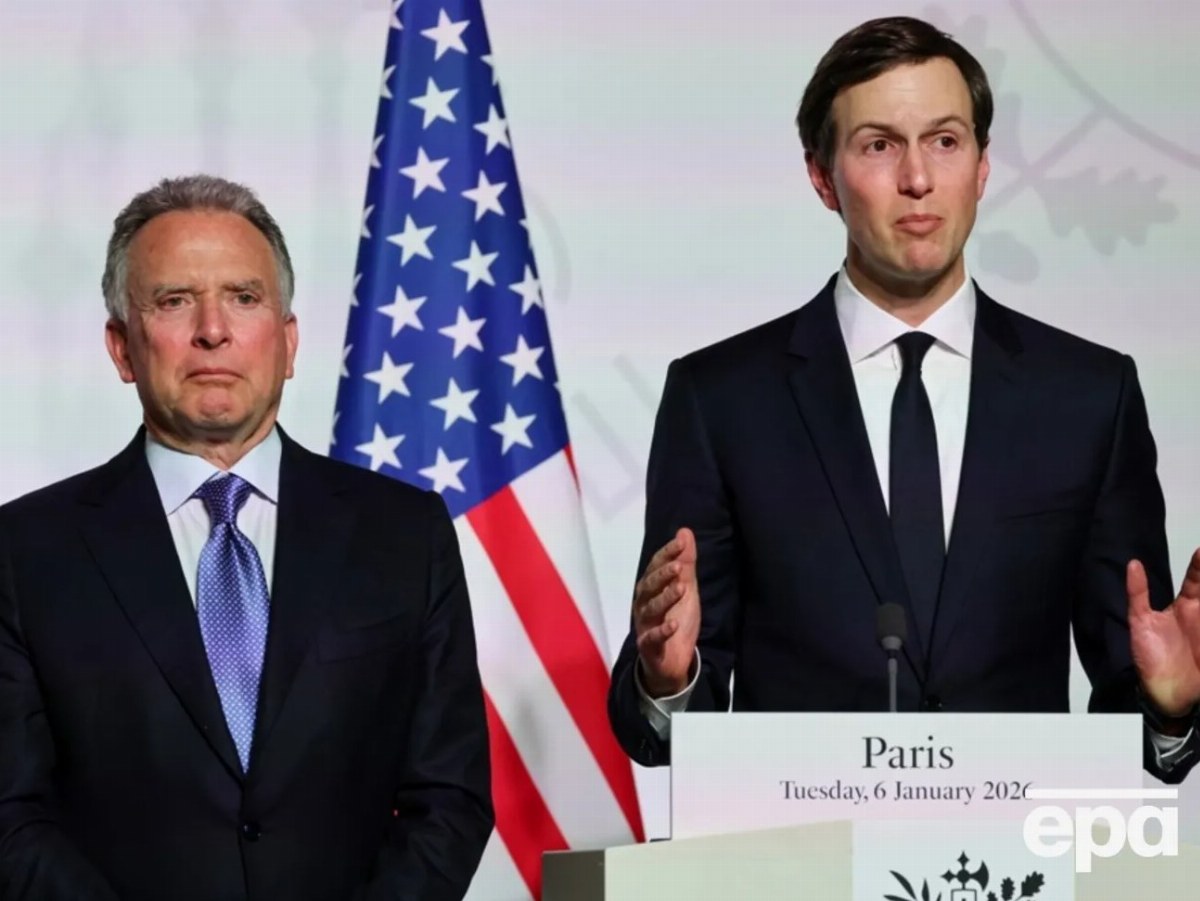
Representatives of former President Donald Trump, Jared Kushner and Steve Witkoff, reportedly advocated for Ukraine to explore the restoration of gas pipelines that previously transported Russian gas to Europe. They believe this move could encourage Moscow to end the ongoing conflict, allowing Kyiv to gain revenue from transit fees.
Trump’s administration posited that European voters would eventually demand cheaper energy, seeing the revival of gas supplies as part of a long-term strategy. This would encompass a broader agreement addressing Russia’s relations with NATO, security guarantees for Ukraine, and territorial issues. However, European officials dismissed these ideas during negotiations, arguing that such actions would undermine years of efforts supported by Washington to reduce dependence on Russian gas.
According to reports, some European and Ukrainian officials anticipate that the U.S. may seek a share of the profits from Russian gas exports. The White House confirmed that a peace proposal includes economic incentives for both Russia and Ukraine.
For American companies, this move would mean reduced demand for liquefied natural gas exports to Europe. European governments could face increased pressure from populist politicians advocating for a cessation of aid to Ukraine and a return to relations with Russia. In Germany, Alice Weidel, leader of the far-right Alternative for Germany party, claimed that sanctions against Moscow are purportedly “destroying the economy” and called for the return of cheap gas and oil to support businesses and consumers.
Discussions between the U.S. and Russia have also touched on the exploded Nord Stream 2 pipeline, with one source describing its restart as the simplest step toward a peace agreement. However, the White House assured that this topic has not been discussed recently.
Last week, Trump lifted new sanctions on Russia after removing restrictions on Russian diesel fuel. Kirill Dmitriev, a representative of the illegitimate Russian President Vladimir Putin, claimed that the diesel agreement is only the beginning, stating that “the ice has finally melted.” He mentioned that Moscow and Washington are deliberating on a wide range of projects, including the sale of assets from the Russian oil company Lukoil to international investors.
Ukrainian President Volodymyr Zelensky previously warned that an American-Russian agreement on diesel supplies from Russia to the U.S. and global markets could set a precedent for new agreements, including concerning gas.
European governments, particularly in Berlin, oppose the resumption of imports, emphasizing that even gas supplied through intermediaries would still be regarded as Russian and remain subject to bans. Nevertheless, the Trump administration is increasingly viewing the export of Russian gas as a component of a peace package aimed at establishing a long-term resolution to the conflict, according to the New York Times.