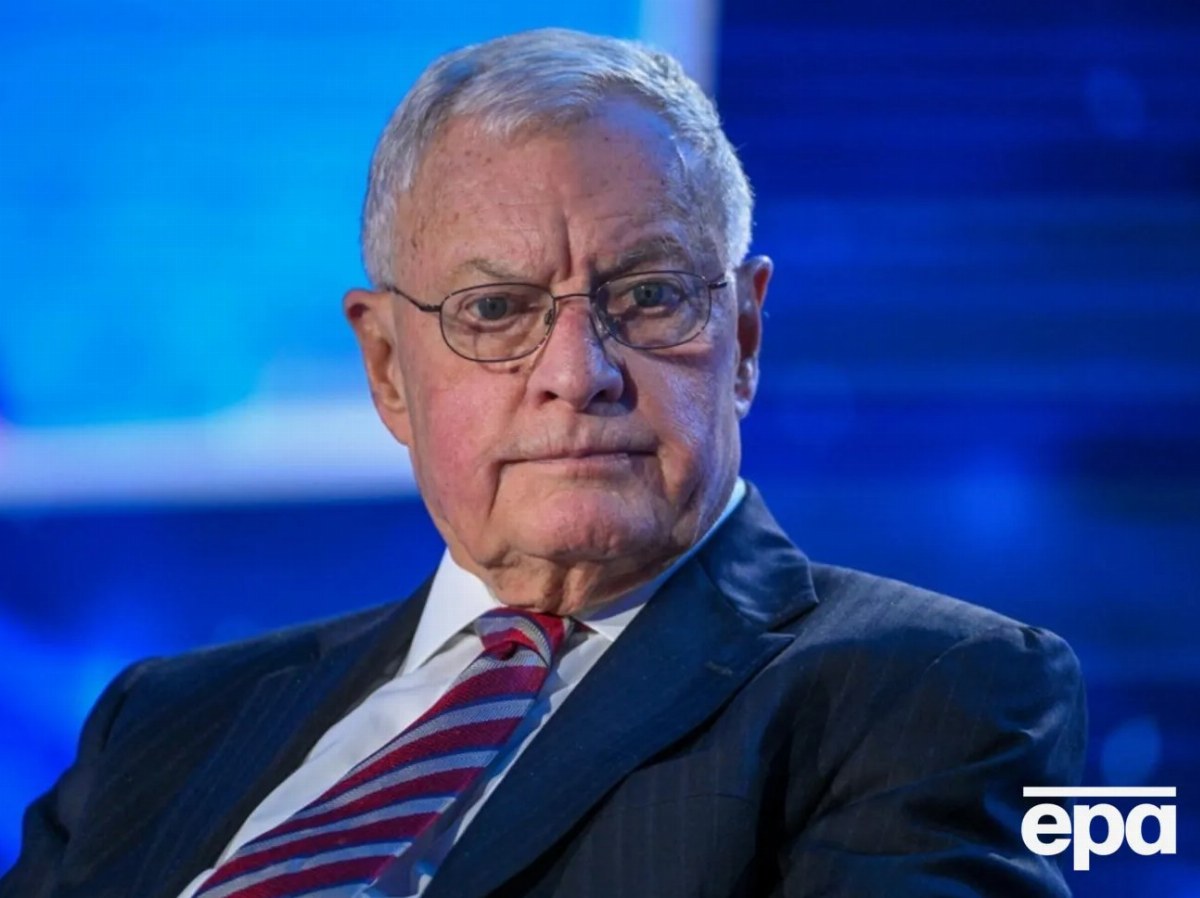
In a recent statement, Kellogg commented on the agreement concerning Russian diesel shipments to the United States and the global market, suggesting that it is a tactical move by Russia’s president, Vladimir Putin, aimed at safeguarding the country’s oil refineries from Ukrainian strikes. Kellogg expressed doubt about the sincerity of Putin’s proposals, implying they are veiled intentions to halt the attacks on these facilities.
The former U.S. special representative stressed his lack of trust in both Putin and his negotiator, Kirill Dmitriev. He also addressed the possibility of Russia capturing the entire Donbas region, stating he does not believe Putin will succeed in this ambition. Kellogg pointed out that the primary issue for Putin is that he is not achieving victories, while Ukraine continues to exert pressure.
Additionally, Kellogg highlighted the contrasting nature of attacks by Ukraine and Russia, noting that while Russia targets churches and schools in Ukraine, Ukrainian forces strike Russian military-industrial complex facilities that fund the Kremlin’s war machine. “Russians are trying to tell Ukrainians and Americans: ‘Stop attacking our refineries.’ Ukrainians will not do this; they will continue to attack as they should. This is a military operation, this is war – and they are attacking correctly,” Kellogg asserted.
Context
- U.S. President Donald Trump accused Kyiv of exacerbating the global diesel fuel shortage and rising prices, urging Ukrainian President Volodymyr Zelensky to reduce the intensity of attacks. Following this, on September 30, Russian media noted that Ukraine seemingly paused its strikes on Russian refineries. However, The Guardian reported on October 1 that Ukraine continued targeting Russian oil facilities.
- On October 3, President Zelensky stated in an interview with Reuters that Ukraine would intensify attacks on Russian refineries in response to the Kremlin’s expansion of assaults on civilian infrastructure, emphasizing that Ukrainian responses would not target civilian populations.
- On October 9, Trump held a phone call with Putin, announcing an agreement for Russian diesel shipments to the U.S. and the global market, valid until April 7, 2027, according to a temporary general license from OFAC.
- According to the Financial Times on October 10, following the easing of sanctions on Russian diesel by Trump, his administration officials increased pressure on Ukraine to cease attacks on Russian refineries, threatening to halt intelligence sharing with Ukraine otherwise. During this meeting, the Ukrainian negotiating team was informed about Trump’s decisions regarding the sanctions, leading to a reduction in the planned two-day talks to just one day.