Transitioning abruptly from a sedentary office lifestyle to intense physical activity can lead to discomfort and pain. Many individuals spend the weekdays confined to their desks and try to make up for it over the weekend by playing sports, hitting the gym, or running. Initially, everything may feel fine – you warm up, begin your activities, and push through any discomfort. However, post-exercise soreness often manifests in the knees, back, ankles, or shoulders.
Many people dismiss this pain as a normal side effect of being out of shape, attributing it to “rustiness” or believing it will subside after a few days. Sometimes it does, but often it returns with the next workout.
This issue arises because the body does not easily transition from a sedentary lifestyle to high-intensity exercise. Muscles require conditioning, joints need mobility, and tendons and ligaments take time to adjust. Overexerting them in one session significantly increases the risk of injury.
Public data highlights the commonality of this scenario. According to Eurobarometer Special Report 525 on sports and physical activity, 45% of respondents in the European Union report that they never engage in sports or exercise. The World Health Organization recommends that adults undertake between 150 and 300 minutes of moderate physical activity weekly, or 75 to 150 minutes of vigorous activity, supplemented by strength exercises for major muscle groups at least twice a week.
For residents of Galați seeking physical therapy, the first step should involve a thorough evaluation rather than randomly selecting exercises.
Ignoring Pain Can Alter Your Movement Patterns
Post-exercise pain does not always indicate a severe injury. It could simply be delayed onset muscle soreness (DOMS) or mild overstretching. However, the situation becomes serious if pain recurs with each workout or interferes with daily activities like climbing stairs or rising from a chair. Any pain that affects your gait or posture warrants a professional assessment.
A frequent mistake people make is taking a few days off and then returning to the same level of physical activity. Even if the pain diminishes, the underlying issue may still persist, requiring time and appropriate exercises for recovery.
Another common error is seeking random exercise routines online. A video may demonstrate a seemingly simple exercise, but it may not take into account your specific diagnosis, mobility level, strength, age, weight, or medical history. An exercise that benefits one individual may exacerbate an issue for another.
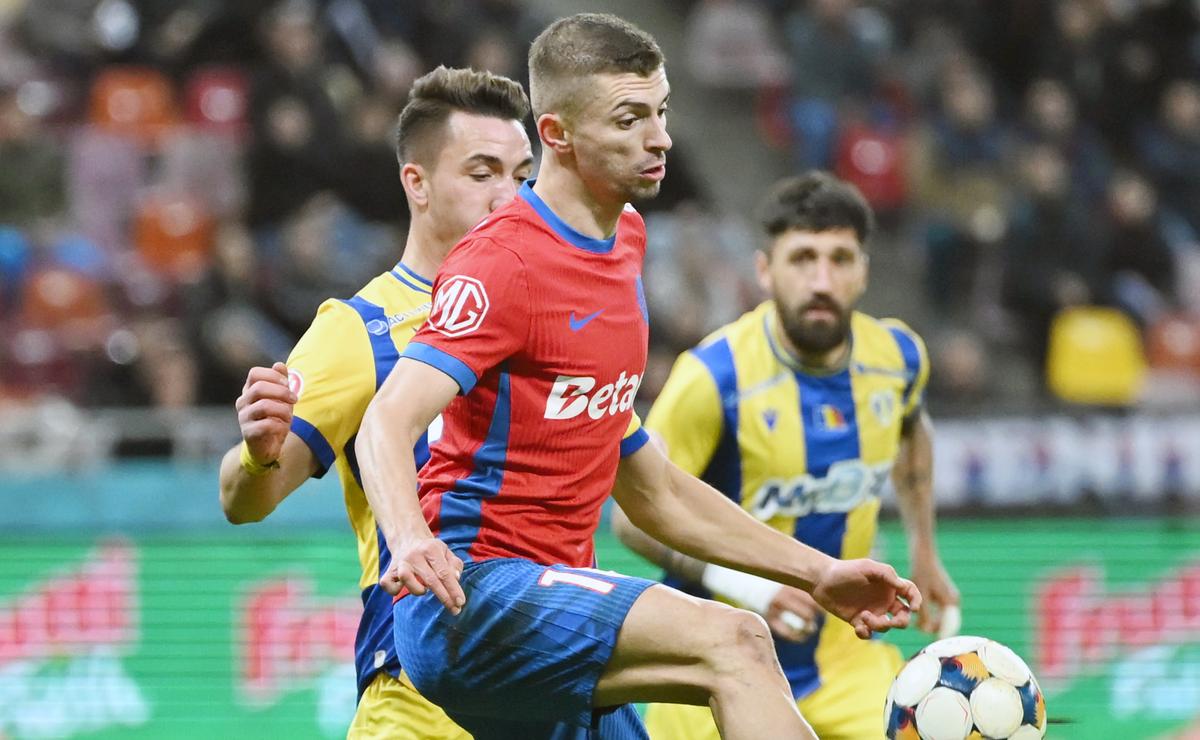
Knee pain following a soccer match can have various causes, including overuse, poor hip control, or issues related to the ankle or ligaments. Without proper evaluation, individuals are left to guess the source of their discomfort.
Back pain after gym workouts might stem from improper technique, mobility issues, or a pre-existing condition. Persistent return to the same exercises can make pain a permanent part of one’s routine.
Shoulder pain is common among those who perform push-ups, lift weights, or occasionally swim. Ignoring movement limitations can lead to compensatory movements that eventually result in chronic discomfort.
Time is another hidden cost of ignoring pain. Failure to address an issue can lead to longer periods of inactivity, repeated medical appointments, further investigations, and treatments that could have been avoided with early assessment. This can also lead to frustration as each attempt to engage in physical activity results in pain.
Rest is important; it can alleviate pain, and ice may help in acute situations. Medication can manage symptoms if prescribed by a doctor. However, none of these measures address the root cause of improper movement, lack of strength, or limited mobility.
If pain persists, swelling occurs, or if you experience instability or difficulty bearing weight on a leg, it is advisable to seek medical evaluation. Occasional weekend sports should not lead to months of discomfort.
Proper Recovery Begins with Evaluation and Tailored Exercises
Returning to physical activity should start from the root cause of the issue, not from a desire to quickly resume sports or from popular exercises. A successful recovery journey begins with a clear discussion with a healthcare provider or specialist, focusing on the onset of pain, types of exertion performed, pain location, duration, and any movements that worsen the discomfort.
The individual’s medical history plays a crucial role. Previous injuries, surgeries, herniated discs, knee problems, or chronic conditions can affect the recovery plan.
Next, a movement assessment is critical. Specialists can evaluate walking patterns, posture, joint mobility, strength, balance, and movement control. Sometimes, pain in one area may be influenced by issues in another area, such as knee pain being affected by hip or ankle mobility.
Further investigations may be necessary if there are alarming signs or if the pain cannot be explained by clinical evaluation. Access to a variety of medical consultations, including orthopedics, neurology, rheumatology, and internal medicine, is essential depending on the case.
Physical therapy becomes relevant when the treatment plan aligns with the diagnosis. Exercises should be calibrated carefully, gradually working on mobility, strength, balance, control, and returning to sports-specific movements. For a recreational soccer player, this may involve exercises for the knees, hips, and ankles, focusing on directional changes. For gym-goers, it may mean correcting technique and progressively increasing loads.
A physical therapist in Galați can customize exercises according to your pain level, mobility, and goals. The goal is not to do more exercises but to perform the right ones in the appropriate dosage.
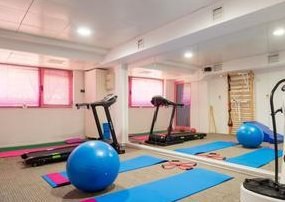
Physiotherapy can complement recovery when recommended by a doctor, helping reduce pain and prepare the area for movement. Hydrotherapy may benefit some individuals, as exercising in water reduces joint pressure. Salinotherapy can be part of a treatment plan for certain patients but should not replace medical evaluation for musculoskeletal pain.
An objective criterion for selecting a clinic is the patient’s journey. Consultations should precede any interventions. Plans need to be explained, exercises monitored, and progress evaluated. If new pain develops, adjustments to the plan are necessary.
Another important factor is access to relevant medical specialties. Recovery after exertion does not solely revolve around exercise; sometimes orthopedic, neurological, rheumatological, cardiological, or internal medicine expertise is required, particularly when patients have existing health issues.
Terra Clinique, a medical clinic in Galați, provides consultations, investigations, rehabilitation, and inpatient care, making it a relevant example for comprehensive care. The clinic offers rehabilitation services, physiotherapy, hydrotherapy, saline therapy, medical consultations, and investigations all within the same complex.
For patients requiring multiple specialties, clarity in the treatment pathway is essential. Knee pain may necessitate orthopedic evaluation, while back pain might require rehabilitation or neurological assessments. Individuals with cardiac, endocrine, or rheumatological conditions may need tailored recommendations before resuming physical activity.
Furthermore, Terra Clinique states that consultations are reimbursed by the National Health Insurance House (CAS) and provides private medical services, multiple specialties, rehabilitation, and inpatient facilities, which is particularly beneficial for patients traveling from other counties for extended investigations or treatments.
This detail is especially useful for patients coming from different cities. If several days of treatment are required, lodging and meals near the clinic can minimize the need for travel. A medical complex offering health services, rehabilitation, accommodation, and dining options simplifies the process for those traveling from outside counties.
Your choice should start with a few simple questions: Who is evaluating you? What diagnosis do you have? What specialties might be involved? What procedures are recommended? How long will the program last? How is progress measured? What activities can you do at home? When can you resume sports?
Returning to physical activity should be a gradual process. In the initial stage, focus on reducing pain and regaining mobility. In the next phase, increase strength and control. The final stage involves returning to sport-specific movements like sprints, jumps, and heavy lifting, which should not be attempted early on.
If you are a weekend athlete, adjust your training schedule. Two or three shorter sessions during the week can prepare your body better than one intense workout. Incorporate brisk walking, strength exercises, mobility work, and active breaks from prolonged sitting. Respect painful limits and seek assistance if discomfort reoccurs.
Don’t Let Pain Dictate Your Recovery Pace
Weekend sports can be beneficial for your health, but your body needs preparation. Transitioning from long hours of sitting to intense exertion can easily lead to pain. Some discomfort may subside with rest, while others indicate a need for assessment. Don’t make recovery decisions based solely on a pain-free morning. Investigate the underlying cause, particularly if pain is recurring, limiting movement, or surfacing after every workout.
Request an assessment, inquire about permissible activities, and follow a recovery plan. Choose a specialist who explains the steps, monitors your progress, and tailors exercises to your goals.
For patients in Galați and beyond, Terra Clinique is worth considering for consultations, investigations, rehabilitation, or inpatient care within a single medical complex.
Proper recovery does not mean rushing. It requires diagnosis, suitable exercises, and measured progress, which together enhance your chances of returning to movement without turning every weekend into a forced break.