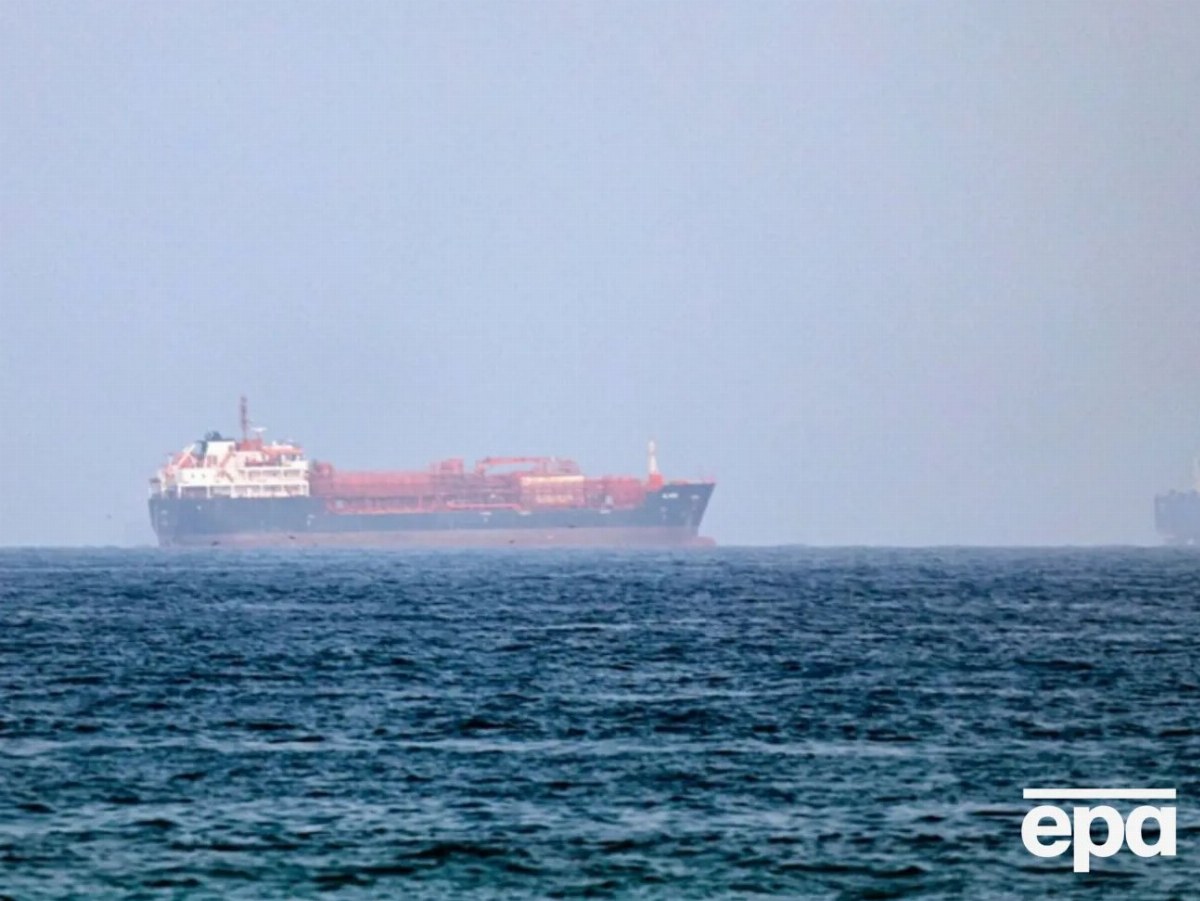
Recent satellite imagery from August 10 and 13 has identified oil spills near Iran’s islands of Qeshm and Sirri, confirmed by satellite data analysis and verified video footage from Reuters.
Experts analyzing the satellite images indicate that one of the slicks stretches approximately 160 kilometers off the coast of Qeshm in the Strait of Hormuz. Video footage dated August 11 shows dark liquid washing ashore near the city of Suza. This incident is deemed the largest environmental catastrophe since the conflict began.
Samir Madani, co-founder of the monitoring service TankerTrackers.com, suggested that the source of the spill is likely the Liberian-flagged bulk carrier Minoan Pioneer, which was attacked on August 3 by an unknown projectile off the coast of Oman, resulting in the disappearance of one crew member. Maritime security sources speculate that the attack originated from Iran.
Iran’s foreign ministry spokesperson, Esmail Baghaei, acknowledged that the oil pollution has reached Qeshm Island, attributing it to a “foreign tanker.” However, a tugboat involved in rescue operations could not approach the Minoan Pioneer due to a lack of authorization from Iranian authorities.
Additionally, a potential ecological disaster is unfolding off the coast of Oman, where the tanker Caroline Bezengi has run aground in a protected marine area, leaking crude oil from Russia. The size of this oil slick is estimated at 2,000 square kilometers, though this incident is not linked to the ongoing conflict.
A second oil slick was recorded by satellites on August 13 near Sirri Island, which houses significant Iranian oil and gas production facilities.
Scientists warn that combat operations and restricted access to spill areas significantly complicate cleanup and assessment efforts. The longer oil leaks into the water, the greater the damage to marine ecosystems and coastal regions.
Context
- The active phase of the war between Iran and the U.S. began on February 28 this year, when U.S. and Israeli airstrikes targeted Iranian territory, resulting in the deaths of several high-ranking officials, including Supreme Leader Ayatollah Ali Khamenei.
- On April 12, U.S. President Donald Trump announced a blockade of the Strait of Hormuz by U.S. naval forces. On May 28, the U.S. and Iran reached a 60-day ceasefire agreement and began negotiations regarding Tehran’s nuclear program. On June 1, Trump stated that he had fulfilled Iran’s condition to cease hostilities between Israel and Lebanon.
- In the early hours of June 18, the U.S. and Iran signed a memorandum of understanding to end the war. The next day, CENTCOM announced the official lifting of the blockade on Iranian ports as outlined in the document. However, the countries exchanged fire again, leading Trump to declare on July 8 that the ceasefire was over.
- Since then, the nations have engaged in negotiations mediated by Pakistan, but public statements from U.S. and Iranian leaders indicate no progress toward a formal agreement.