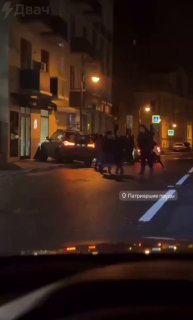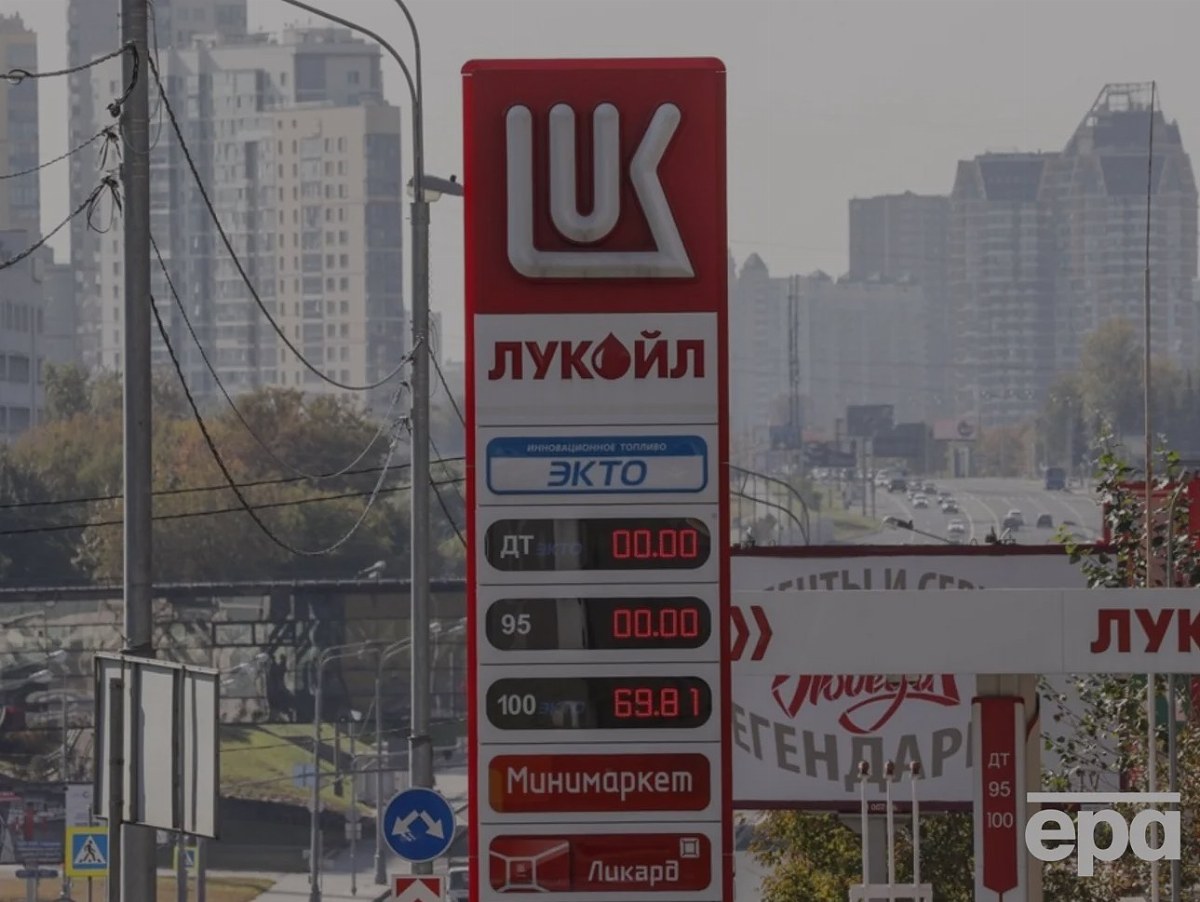
The fuel crisis in Russia has intensified significantly since early June, with reports indicating that issues have now reached major cities including St. Petersburg, Voronezh, and Tula. Residents are increasingly voicing complaints about price disparities and fuel availability depending on the region, according to analysts citing the St. Petersburg publication Fontanka.
Independent gas station networks lacking their own oil extraction and refining capabilities have raised prices to mitigate losses. Meanwhile, the Russian authorities are attempting to downplay the extent of rising prices and fuel shortages, though experts suggest these efforts are falling short of expectations.
Recently, officials in the Saratov region discussed the need to cap gas station prices amidst heightened demand and supply disruptions. In the Tver region, temporary sales restrictions on gasoline have been implemented in the networks of Surgutneftegas and Tatneft, as reported by Russian media outlet Vazhnie Istorii.
The government in the Tula region acknowledged fuel shortages at certain gas stations, attributing the situation to logistical challenges and increased demand. Analysts believe the Russian government will struggle to uniformly control rising prices and fuel deficits, particularly as Ukrainian strikes on Russia’s energy infrastructure continue to exacerbate the existing shortages.
Context
- At the end of March, Ukraine intensified attacks on Russian facilities, targeting major oil ports including Novorossiysk on the Black Sea and Primorsk and Ust-Luga on the Baltic, leading to an estimated loss of around $1 billion in weekly revenue for Russia, according to reports from FT and Bloomberg.
- On June 13, the monitoring Telegram channel Supernova+ reported that Ukrainian strikes on oil refineries in Nizhnekamsk (Tatarstan, Russia) paralyzed the entire Tatneft gas station network, resulting in sales limits and price hikes in Kazan, Naberezhnye Chelny, St. Petersburg, and Moscow.
- In early June, media also reported that in response to Ukrainian attacks, restrictions on gasoline sales were implemented in at least 15 regions of Russia as well as in occupied territories of Ukraine, including Crimea. The news agency reported that by June 17, fuel sales limits were introduced across networks that account for approximately 25% of all gas stations in the country, meaning nearly one in four stations was affected.