“The names of the favorites appeared.” The conclave begins with black smoke. The whole world looks at the chimney of the Sistine Chapel

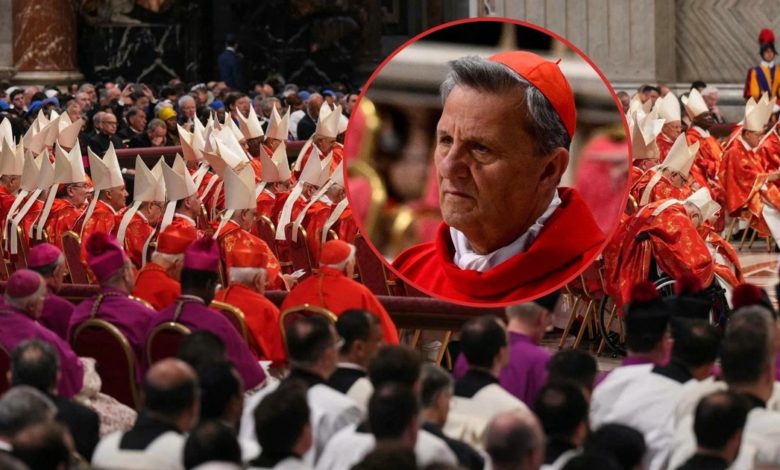
After every cardinal gave his name and took an oath of silence in Latin under the frescoes of Michelangelo, Archbishop Diego Ravelli charged “Extra Omnes” – everyone leaves. Everyone except cardinals entitled to vote left the chapel and its door was closed.
Now observers outside – from the most modest pilgrims to the most powerful world leaders – they can only look at the chimney of the Sistine chapel and wait for the white streak of smoke, which means the election of a new pope.
Litany to All Saints rang from the speakers set up in St. Piotr, and television teams from around the world filmed a mesmerizing procession and speculated about papal games like sports commentators.
Nobody knows how and when the next pope will be elected. Every day there will be four rounds of voting, during which cardinals will strive to obtain a majority of two -thirds of the votes required to choose the next pope. After each two not -not -resolved voting from a specially built chimney, black smoke will come out; As soon as the cardinals agree, white smoke appears.
Then protodiacon [honorowy tytuł w Kościele katolickim, przyznawany najstarszemu kardynałowi diakonowi] He will stand on the central balcony of the Basilica of St. Piotr and will be announced by: Habemus Papam – we have a pope.
Voting takes place after a turbulent week, which revealed divisions in the global church under the rule of Pope Francis, marked by deep disputes between progressive clergy and those who are based on changes.
From the death of Franciszek, the cardinals gathered in the sterile conference room in the Vatican. This served as an opportunity to lobby for the preferred candidates, creating election blocks and, more prosaically, to get to know each other – this is something that few had the opportunity to experience from the time when the deceased Pope limited regular meetings and significantly expanded the global group of cardinals.
As Politico informants informed on Wednesday, during the last few general assemblies, the mood of support for the candidate continuing Francis' policy, who will insist on the policy of tolerance to LGBTQ+ and other marginalized groups, and, more importantly, will give greater clergy from the global south, where the number of church members is growing quickly.
The names of the favorites appeared – which should be treated with a lot of caution.
One of them is Maltese Cardinal Mario Grech, who presided over the synods, i.e. consultation bodies aimed at transferring greater power in everyday making church decisions, women and small peripheral churches.
Another is Cardinal Robert Prevost, an American, who served both in Latin America and in Rome, and is considered a potential bridge builder between the opposite factions.
At the beginning of this week, Prevost gave a speech in which he called for a larger participation in the selection of bishops, who are usually elected by the Pope from among local clergy conferences. According to one of the cardinals, which Politico talked to, this is a key request for groups protesting against the abuse of clergy.
“There are no signs of consensus yet”
This impulse occurs when the stars of earlier favorites lose their glow. These include the Secretary of State of the Holy See Pietro Parolin, the Vatican diplomat was hardened. He built a wide coalition among clergy who wanted a more reforming approach to the papacy, which would preserve the institutions of the Church without completely breaking with the Franciszek line.
However, the skepticism of progressors, as well as the coordinated slander's campaign could harm Parolin's chances.
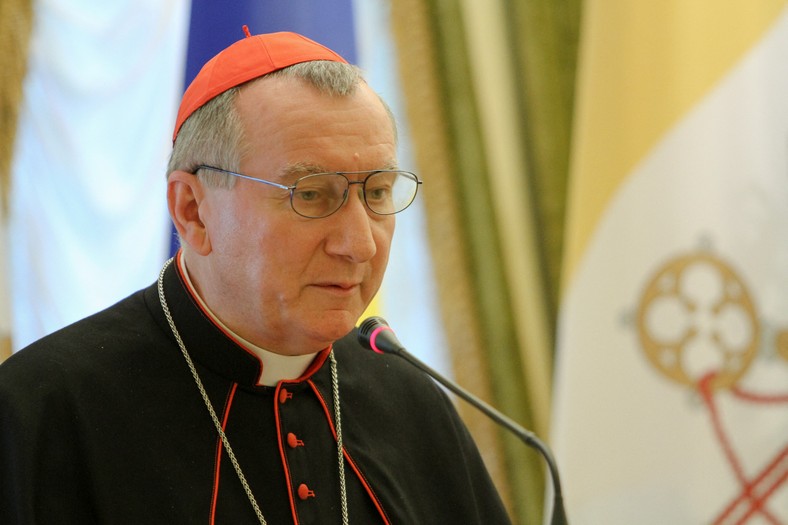
Cardinal Pietro Parolin
During the lobbying period before the conclave, there were twists and turns. Giovanni Angelo Becci, once the Chief of Staff of the Holy See, withdrew from the conclave in connection with the conviction of 2023 for a fraud related to London real estate in which the Vatican funds were involved.
Some episodes were more comical than dramatic. According to the cardinal cited above, one of the cardinals could not find his place during general assembly and sat elsewhere each time.
With a bit of luck, it will be easier for cardinals to choose a new pope than to find his chair with this confused old clergyman. However, there are no signs of consensus yet: after the first vote on Wednesday, after a three -hour meeting longer than expected, the sky over the Vatican only covered black smoke.