Will the US withdraw forces from Germany? Pentagon officials reveal the behind-the-scenes of Trump's threats

The Pentagon “did not expect this and had no plans for any withdrawal,” according to a congressional staffer familiar with the situation.
— However, we must take this seriouslybecause during his first term [prezydent USA] he was serious about it, he adds, referring to Trump's July 2020 order to withdraw 12,000 American soldiers from Germany, which was never implemented.
Although previous threats have failed to materialize, Trump has intensified his anti-European rhetoric in his second term, from threatening to withdraw from NATO over allies' failure to join the war with Iran to warning that the U.S. could take over Greenland.
Trump's first tweet came hours after his phone call with Russian President Vladimir Putin, who has long sought to reduce the number of NATO troops in Europe. It happened just as the head of the German armed forces, General Carsten Breuer, was finishing a day of meetings with American officials in Washington. The talks were devoted to discussing Berlin's new defense strategy.
Every scenario
After conducting fruitful talks with their American counterparts, German representatives reacted to the president's posts surpriseas revealed by a senior German official who asked to remain anonymous.
— As Europe's largest economy, Germany has the ambition to take on a greater leadership role in NATO, Breuer told reporters after the meetings. He added that “it is obvious for Germany to take greater responsibility” for its own defense.
Trump's comments also came as Army Secretary Dan Driscoll was wrapping up a two-day visit to German training grounds. Its aim was to emphasize the US presence in the European country.
On Thursday, the president also suggested withdrawal of troops from Spain and Italy. -Why wouldn't I do it? – he told reporters. — Italy didn't help us at all. And Spain was terrible. Absolutely terrible.
Pentagon spokesman Sean Parnell said the department “is planning for every scenario and we are fully prepared to carry out the commander-in-chief's orders at the time and place he chooses.” The White House did not respond to a request for comment.
A blow for both sides
The withdrawal of American forces could offset this an important deterrent towards a re-arming Russia, which, according to European officials, is preparing to attack NATO territory in the coming years. And Trump's threats have made politicians and diplomats in Europe, who are already planning to try to reopen the Strait of Hormuz without the U.S. president's involvement, even more fed up with the United States conducting hostage diplomacy against its allies.
Even a review of U.S. forces in Germany could further exacerbate tensions in the alliance after several NATO members denied the Pentagon access to their bases over the war with Iran.
US President Donald Trump, April 30, 2026ANDREW HARNIK / AFP
— Trump's policy of crude threats has reached its limits, says a German official. “His rhetoric has worn off. The withdrawal of American troops from Germany is serious it would weaken the United States itself and we wonder when the adults in Washington plan to take the stage again.
Carrying out an immediate withdrawal of American forces from Germany would be difficult for the Pentagon, which is already there embroiled in the ongoing war in Iran.
A challenge for Americans
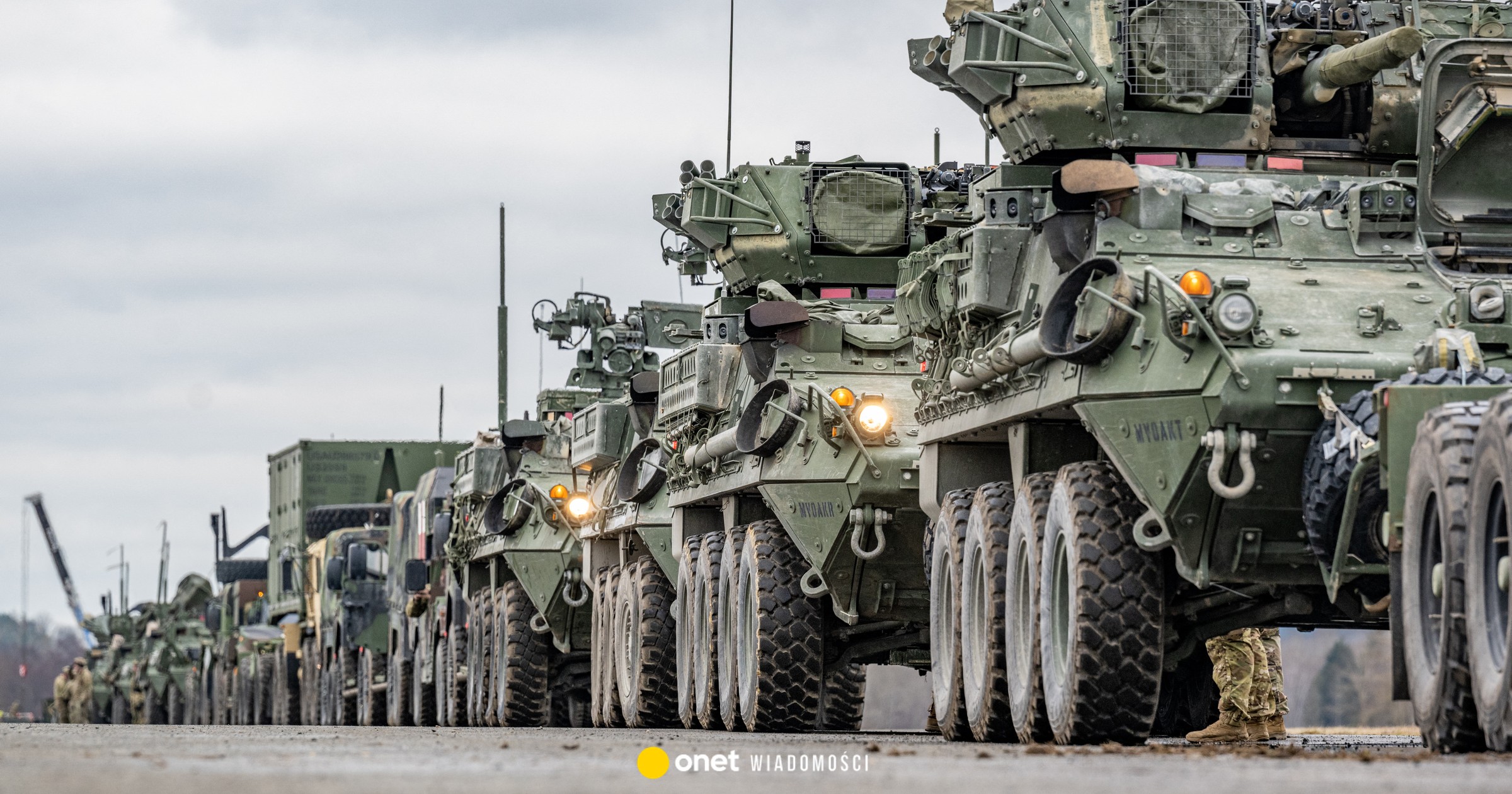
There have been 35,000 stationed in Germany. up to 40 thousand American soldiers. The country provides land for bases and local labor to service American soldiers free of charge. The Pentagon also operates two of its major military centers in Germany – U.S. European Command and U.S. Africa Command – as well as the Pentagon's largest hospital outside the United States.
– They exist relocation costsand depending on where they're moved, there could be significant construction costs, explains Todd Harrison, a defense budget analyst at the American Enterprise Institute. — In Poland, we will not have facilities where we could accommodate them, so moving them would involve very long-term construction costs.
Relocating soldiers, their families and equipment back to the United States would also be costly, given that there is likely no housing available for them.
US forces stationed in Germany have crucial for Washington's global military position and nuclear deterrence. American air bases enable the transport of soldiers across the Middle East and Africa, access to American military hospitals and huge training grounds where American and NATO forces exercise.
Previous threats to withdraw forces from Europe have been met with backlash criticism from Republican congressmen. But on Thursday, leading right-wing politicians continued to approach Trump's latest comments with caution.
Skeptical Republicans
“We need to learn more about the strategy behind this move,” said Republican Sen. Kevin Cramer. “Ramstein is a strategic, important base, so I'd need to find out more about withdrawing troops from there. Perhaps we should do some staff redistribution.
The defense bill that took effect in December prohibits the Pentagon from reducing the total number of troops on the continent below 76,000 until it assesses the risks and confirms that doing so is consistent with U.S. security interests. Germany seemed 'pretty safe'when it comes to Trump's threats to punish NATO countries “because they take action on many issues” related to European defense, according to a second congressional aide.
Just last week, Pentagon officials praised Berlin's efforts to strengthen defense, including plans to increase defense spending. Germany will also host the first European plants producing Patriot air defense systems and plans to increase production of Stinger missiles and 155 mm artillery. The country even integrated a high-ranking American military officer deep into its command structure.
Republican Senator Mike Rounds stated that doesn't think US policy in Europe will change.
He said the president was “responding to certain comments made, I suspect, by some German officials.” Rounds serves on the Senate Armed Services Committee. “I pay more attention to his actual actions rather than the comments he makes publicly,” he concluded.