Oil crisis vs climate change. 53 nations plan to phase out fossil fuels. What is Europe doing?

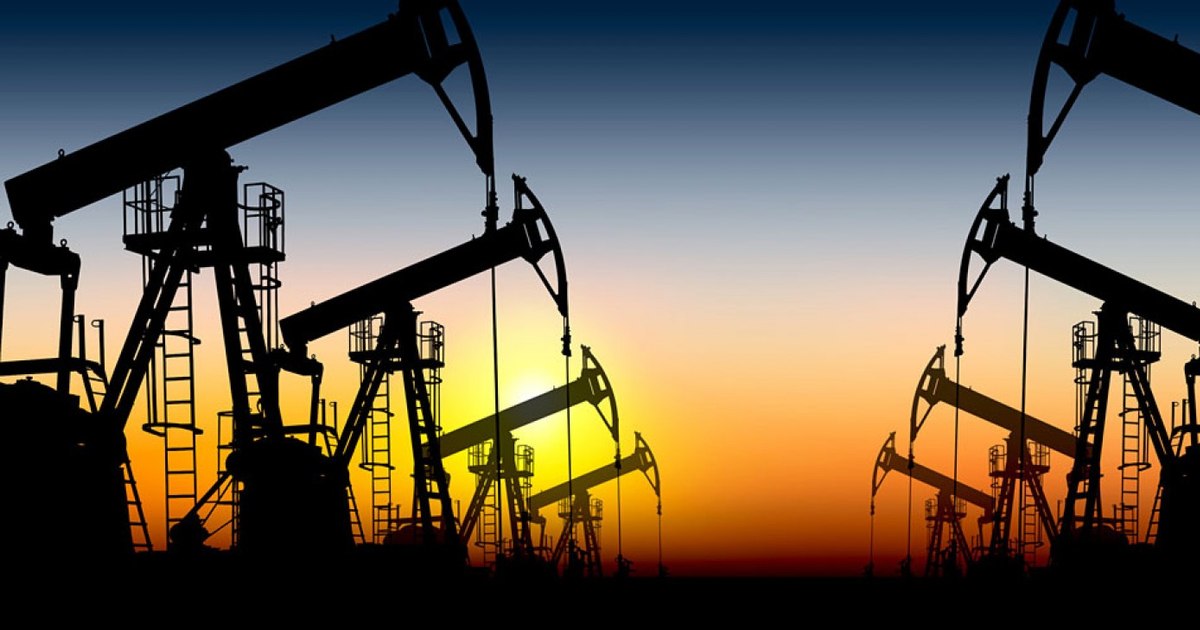
A major oil crisis could accelerate the global transition to clean energy, even if it comes in a political context dominated by oil industry-allied leaders like Donald Trump, a veteran climate change denier. As shocks over fossil fuels intensify, 53 nations are coming together to plan their phase-out.
A major oil crisis could accelerate the global transition to clean energy. Archive photo
After the US and Israel attacked Iran in late February, Tehran closed the Strait of Hormuz and triggered the largest oil supply disruption in history.
Ironically for Trump and his oil industry sponsors, this crisis could be an irreversible turning point for clean energy. For years, fossil fuel advocates have praised oil, gas and coal as energy “reliability”, writes The Conversation, adding that the trend has been reversed, however, with fossil fuels becoming expensive and unreliable, while renewable energy sources are cheap, reliable and secure.
For the first time in history, more than 50 nations will gather next week in Colombia to discuss how to reduce and end dependence on coal, oil and gas. The historic conference was planned before the Iran war, but this year's energy crisis has raised the stakes considerably.
The oil crisis
Iran's closure of the Strait of Hormuz prevented oil tankers from reaching their destinations. But that wasn't all. More than 60 gas and oil sites have been damaged in the conflict so far. Even if a lasting truce is reached, these shocks will be felt for years to come, the publication writes.
About 80% of the blocked crude oil was destined for the Asia-Pacific region. Faced with dwindling supply, governments in the region are implementing emergency measures such as sending workers home, banning government travel, rationing fuel and reducing school hours.
The problem is particularly acute in the Pacific. Many island nations use diesel for power generation. In response, the leaders declared a regional state of emergency.
Fuel import bills were already a major burden on Pacific nations, leading to efforts to switch to local renewables. Fuel bills could rise by A$933 million in Fiji (almost three times the health budget).
The fight for energy
When energy supplies are interrupted, leaders have three options: find alternative sources, reduce consumption, or switch to alternatives. In the very short term, countries aim to strengthen supply, as Australian Prime Minister Anthony Albanese did last week in Malaysia, the publication writes.
Countries have also taken steps to reduce their use of fossil fuels. This can have lasting effects. During the Middle East oil shocks of the 1970s, oil prices tripled and then doubled again. Authorities have responded by improving energy productivity to do more with less. Final global per capita oil demand peaked in 1979 and has never recovered.
But the real difference from half a century ago is that alternatives to fossil fuels are ready to be launched. Since the 1970s, the price of solar panels has fallen by 99.9%, while the cost of wind power has fallen by 91% since 1984. Battery prices have fallen by 99% since 1991.
This means that it is now feasible for many nations to switch to these alternatives.
The European Union will accelerate electrification after its fossil fuel bill rose by more than $36 billion since February. France has doubled state aid to help households switch to electric vehicles and electrify home heating. Import-dependent South Korea gets 70% of its crude oil through the Strait of Hormuz. It now plans to double its renewable production capacity within four years.
Electric vehicles, at the turning point
This year's oil shock shows signs of creating an unplanned social tipping point—a threshold for self-propelled change beyond which systems shift from one state to another. Climatologists warn of climate tipping points that amplify feedback and accelerate warming. But social scientists also point to positive tipping points – collective action that rapidly accelerates climate action.
The rush for electric vehicles is a case in point. In Australia, petrol prices rose by almost 50% in March, and diesel prices by more than 70%. It's no surprise that sales of new electric vehicles are at an all-time high, while sales of second-hand electric vehicles doubled last month.
Australia's 1.3 million hybrid and battery electric vehicles avoid using nearly 15 million liters of petrol and diesel each week.
“The rush to electric transport is global. Most new Chinese cars are powered by batteries, not petrol. Battery electric vehicles outsold petrol cars for the first time in Europe in January”the analysis in The Conversation shows.
How the oil crisis of the 1970s occurred and how it was resolved. Comparison with Strait of Hormuz blockades
EC proposes actions to protect Europeans from the fossil energy crisis
Moreover, the European Commission last week proposed actions to protect Europeans from the fossil energy crisis and to accelerate the transition to a clean, domestically produced energy, emphasizing that, for the second time in less than five years, Europeans are paying the price of Europe's dependence on imported fossil fuels.
AccelerateEU is the Commission's toolkit to provide immediate help to European households and industries, especially the most vulnerable, while putting Europe on a steady path towards energy independence. Since the escalation of the conflict in the Middle East, the EU has spent an additional €24 billion on energy imports due to higher prices – without receiving an extra molecule of energy.
The current geopolitical situation is a stark reminder that accelerating the transition to clean, secure and affordable energy is an economic and security imperative. AccelerateEU presents both short-term and longer-term structural measures to further reduce dependence on volatile fossil fuel markets and strengthen Europe's resilience to future risks based on domestically produced clean energy and electrification.
Ursula von der Leyen, President of the European Commission, said: “The choices we make today will shape our ability to meet today's challenges and tomorrow's crises. Our AccelerateEU strategy will provide both immediate and more structural relief measures to European citizens and businesses. We must accelerate the transition to clean, home-grown energies. This will give us energy independence and security and means we are better able to weather geopolitical storms.”
The Commission proposes the following actions:
Coordination is essential. The Commission will ensure that measures at Member State level will be taken in full coordination. This includes refilling underground gas storages, using flexibilities in stockpiling rules or any exceptional release of oil stocks. The Oil and Gas Steering Groups meet frequently to ensure full awareness of the situation among member states. Specific emergency measures and measures to ensure the availability of jet fuel and diesel, including the availability of oil refinery production capacities, should be closely coordinated.
A new one will be established Fuel Observer to track EU transport fuel production, imports, exports and stock levels. This will enable the rapid identification of potential shortages and, in the event of the release of emergency stocks, will form the basis of specific measures to maintain a balanced distribution of fuels. To mitigate the impact of high fuel prices and possible fuel shortages on the EU aviation sector, the Commission will also provide clarity on existing EU aviation flexibilities.
Timely, specific and temporary measures. Protecting consumers, including industry, from price spikes can include targeted income support schemes, energy vouchers and social leasing schemes, reducing electricity excise duties for vulnerable households. The Commission will also adopt a temporary state aid framework that will provide additional flexibility to national governments, including emergency measures to support the most exposed economic sectors.
Accelerating the transition to domestically produced clean energy to replace oil, gas and fossil fuels used in transport. By the summer, the Commission will present an action plan on electrification. This will include an ambitious electrification target and measures to remove barriers to the electrification of the industrial, transport and construction sectors. The rapid implementation of the Sustainable Transport Investment Plan is essential to accelerate the introduction of sustainable aviation fuels.
A world superpower is massively buying gold in the midst of an oil crisis
Intensification of the network system. Electrification must be accompanied by a network network fit for purpose. The first steps are to ensure the full implementation of the current legislation and the swift conclusion of negotiations on the European networks package. Maximizing existing renewable energy infrastructure is another action. Rapid retrofitting of large wind farms and renewables, including offshore wind farms and hydroelectric plants, can quickly provide much-needed additional support. The Commission will also present a legislative proposal on network charges and taxation, ensuring, among other things, that electricity is taxed less than fossil fuels.
Stimulating investments. Significant resources are available at EU level, such as those under the Recovery and Resilience Mechanism (“MRR”: EUR 219 billion) and Cohesion Policy funds. In the context of the current crisis, speed and impact are of paramount importance. The Commission will help Member States make the most of available EU funds. However, public money alone will not cover the significant investment needs (€660 billion per year by 2030) for the energy transition. Therefore, to mobilize private investment, the Commission adopted a clean energy investment strategy in March 2026. The Commission will hold a Clean Energy Investment Summit that will bring together the financial services sector, including major institutional investors, industry leaders, project developers and public financiers, to accelerate private financing.