They join forces in Israel. Following the example of Peter Magyar, they want to defeat Netanyahu

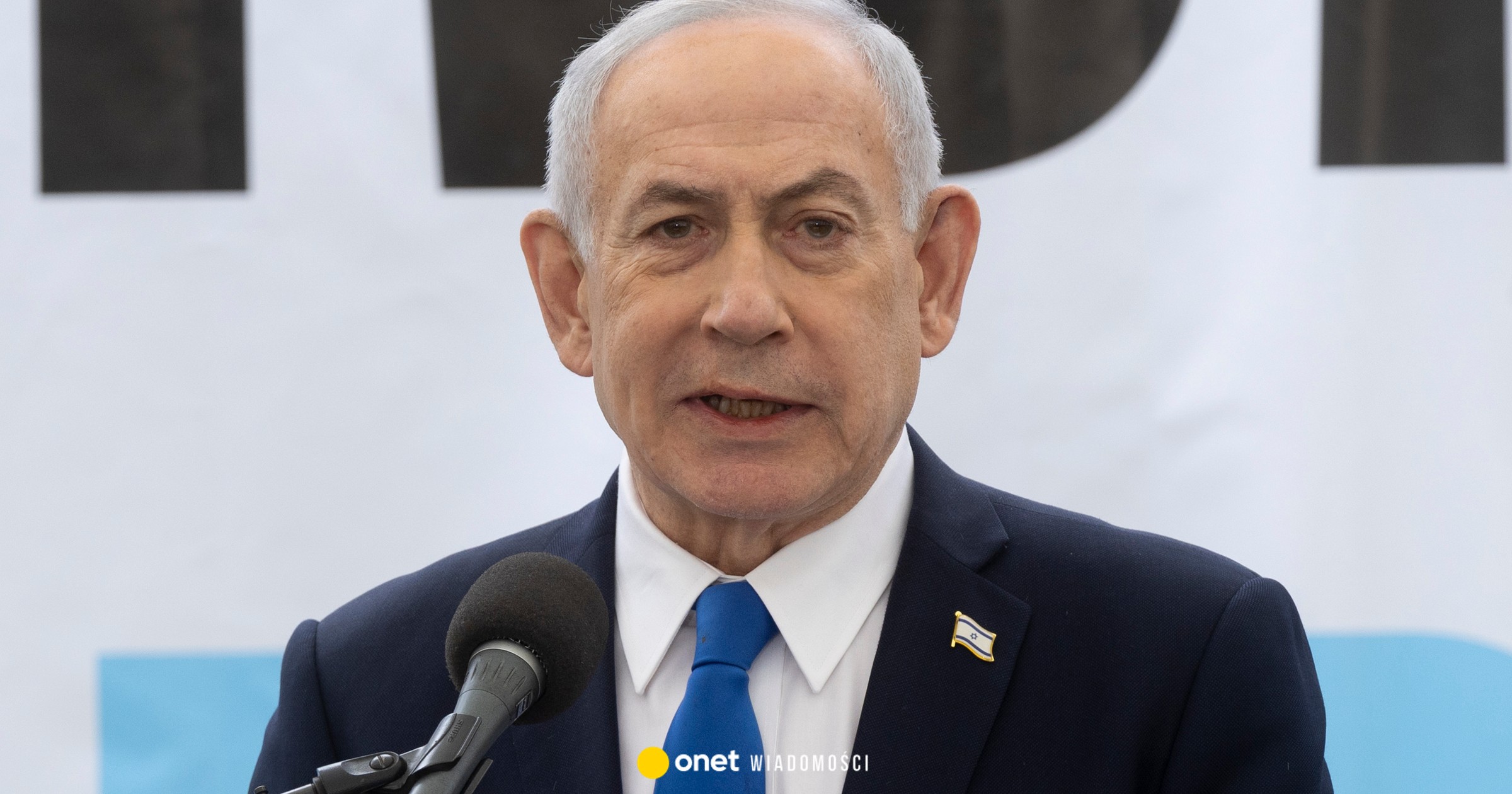
- Benet and Lapid previously led the government together, and now they want to remove Netanyahu from power
- Polls indicate that the Benet-Lapid bloc could win at least 60 seats, and the Netanyahu bloc could win about 50
- Netanyahu remains a highly polarizing figure. His position weakened after the Hamas attack in 2023
Benet and Lapid already defeated Netanyahu in the 2021 elections and then co-led the government in 2021-2022, rotating as prime minister. However, Netanyahu, Israel's longest-serving prime minister, returned to power after the November 2022 elections and formed the most right-wing government in the country's history.
They want to remove Binyamin Netanyahu from power. They join forces
When announcing information about the new party, Lapid referred to the recent elections in Hungary.
— The opposition's victory contradicted all the polls and was greater than expected. After 16 years of rule [premier Węgier Viktor] Orban lost because people believed in the possibility of change. They united around one candidate, fought for their country and won, he said.
Netanyahu's security image deteriorated after the Palestinian Hamas attack on Israel on October 7, 2023, which led to the war Israel is waging in the Gaza Strip and fighting on several fronts in the region, including Lebanon. Polls indicate that the prime minister may lose the elections scheduled to take place by the end of October.
Netanyahu is a highly polarizing figure who has dominated Israeli politics for years and has repeatedly demonstrated his ability to survive politically.
Binyamin NetanyahuILIA YEFIMOVICH / POOL / PAP
Naftali Benet and Jair Lapid want to win the elections in Israel
Benet — a former commando and millionaire who made his fortune in the tech industry — is second in polls behind Netanyahu. According to one study from April 23, his right-wing party could win 21 seats in the 120-seat Knesset, compared to 25 seats for the current prime minister's Likud.
Netanyahu's entire bloc, composed of right-wing and religious groups, could have about 50 deputies, compared to at least 60 seats for a potential coalition of Benet and Lapid, even though Lapid's centrist party would only get seven seats, with the support of smaller parties.
Lapid – a former TV presenter and writer – presents himself as a representative of the secular middle class, which is critical of the unequal burden of taxes and military service in Israeli society. — To win the elections, the Israeli center must stand behind Naftali Benet. He is a liberal right-winger, honest and law-abiding, and he will be an excellent prime minister, Lapid assured.
As the daily “Israel Ha-Yom” notes, there may be competition for leadership in the new camp “before particularly tense elections.”
The key topic of the campaign in Israel
Meanwhile, Netanyahu's ultra-Orthodox allies are seeking to exempt their communities from military service, an issue that has gained importance as the army is overwhelmed and losses on the fronts are the highest in years.
Lapid and Benet made it one of their main campaign issues. They also accuse Netanyahu of being unable to turn military successes into real strategic benefits towards Iran and the groups it supports in Lebanon and the Gaza Strip – Hezbollah and Hamas.
The current ruling coalition in Israel is formed by Benjamin Netanyahu's right-wing Likud, together with parties representing the ultra-Orthodox Jewish community and extreme religious-Zionist right-wing groups.
The largest force in the opposition is Benet's right-wing party, and alongside it there are centrist and center-right parties, including Lapid's party, as well as center-left formations. The opposition is complemented by Arab parties that play the role of potential coalition partners.