What the IMF says about global public finances in its new report. A simple, 7-point summary

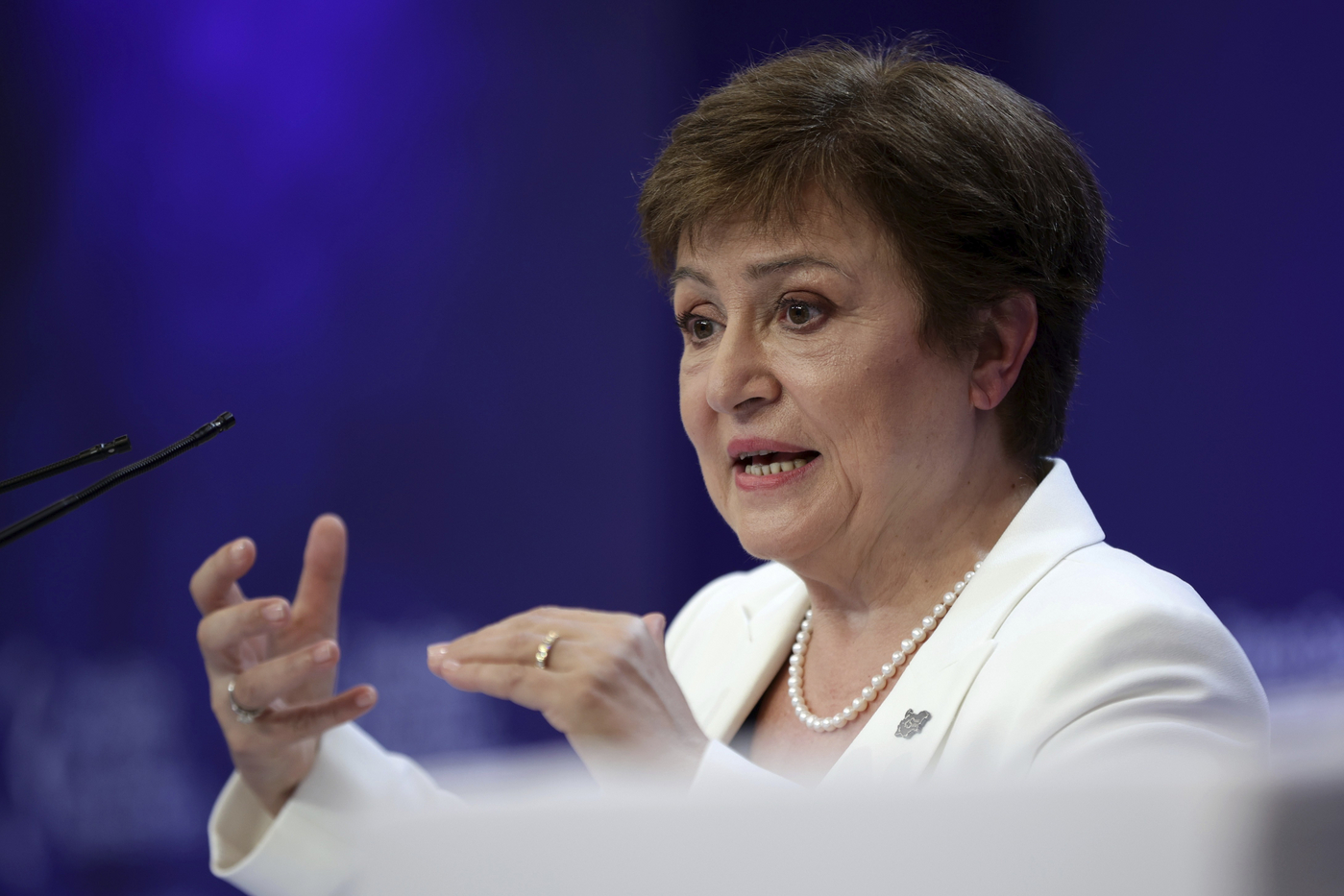
Global public debt reached almost 94% of world GDP in 2025 and, if the trend continues, will reach 100% by 2029. That would be a level last reached after the Second World War, according to the Fiscal Monitor published last night by the IMF. In short: the world is getting more and more indebted, and governments' room for maneuver is narrowing.
The new risk factor: the war in the Middle East
The outbreak of war in the Middle East has added new fiscal pressure to an already tense global landscape. The conflict disrupts energy supplies, tightens financial conditions and forces governments to choose between protecting the population from price increases and preserving fiscal space.
Energy-importing countries (including many poor countries) are most affected, the report's authors note
United States: the big problem
The US runs a budget deficit of 7–8% of GDP, although the economy is operating at near full capacity with no plan to reduce the debt. Gross debt is projected to reach 142% of GDP by 2031.
In short: The US spends massively more than it takes in, and the One Big Beautiful Bill Act of 2025 made the tax cuts permanent, making the situation worse in the long run.
China: Accelerated fiscal expansion
China's overall deficit has widened to nearly 8% of GDP, and persistently large deficits are expected to push debt to 127% of GDP by 2031.
China has increased spending to boost domestic consumption and support the housing sector, but its debt is growing too fast.
Japan and Europe
Japan is making progress thanks to higher inflation and economic growth, but government bond yields have reached historic highs, which may affect other countries as well.
Europe: 16 EU member states have activated derogations from deficit rules to accommodate increased defense spending. These expenses will be difficult to reduce later, says the Fiscal Commissioner.
Poor countries: critical situation
Among the world's poorest countries, interest payments have reached historic levels relative to income, and cuts in international aid are creating gaps that some countries cannot finance. imf
The main risks identified
- Prolonging the war in the Middle East could increase global debt by another 4 percentage points of GDP.
- An AI-related market crash (20% drop in US stocks) could add 2.4 percentage points.
- Domestic political instability and social protests are reducing economic growth and widening deficits.
- Demographic dependency (aging population) will increase pension and health spending by ~3% of GDP by 2050.
What the Fund recommends
US: it must act on both revenue and spending, including reforming large welfare programs.
Europe: to reconcile defense spending with the pressures of an aging population.
China: to continue stimulating consumption in the short term, but plan for further fiscal consolidation.
Poor countries: to mobilize its domestic revenues, as foreign aid declines.
Everyone: to avoid generalized energy subsidies and to protect the independence of central banks.