Europe has “probably six weeks or so of jet fuel,” the head of the International Energy Agency (IEA) said on Thursday, warning of possible flight cancellations “soon” if oil supplies remain disrupted by the Iran war.
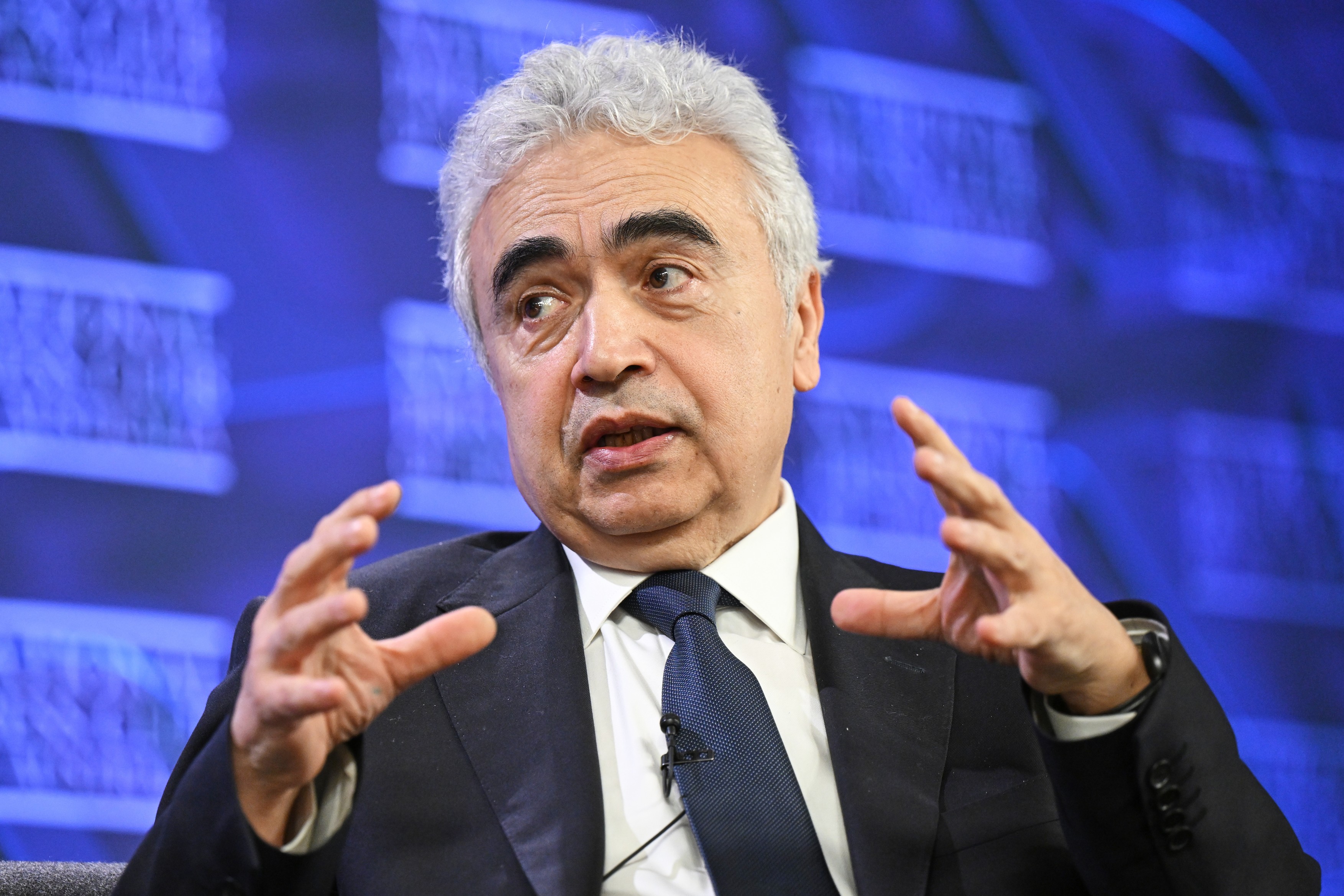
IEA Executive Director Fatih Birol presented a worrying picture of the global repercussions of what he called “the biggest energy crisis we have ever faced”, resulting from the disruption of oil, gas and other vital supplies through the Strait of Hormuz.
“This is a very difficult situation and it will have major implications for the global economy. And the longer this continues, the worse it will be for global economic growth and inflation,” he said.
The impact will be “an increase in (gasoline) prices, gas prices and electricity prices,” Birol added.
The economic impact will be felt unevenly, with some countries “hit harder than others”, he said, citing Japan, Korea, India, China, Pakistan and Bangladesh as countries on the front lines of the energy crisis.
“The countries that will suffer the most will not be those whose voices are widely heard. They will primarily be developing countries. The poorest countries in Asia, Africa and Latin America,” he said. “Then the crisis will reach Europe and the Americas,” he added, speaking from his Paris office.
If the Strait of Hormuz is not reopened, in Europe “we will soon hear that some flights from city A to city B may be canceled due to lack of fuel,” he added.
Birol spoke out against the so-called “tolling” system that Tehran would have instituted for some ships, allowing them to pass through the strait for a fee. He said making it a more permanent rule would risk setting a precedent that could be applied to other waterways.
“If we change it once, it might be difficult to get back to how it was before,” Birol pointed out.
Fuel shortage in May or June
Last week, the International Airports Council of Europe wrote to the European Commission, explaining that jet fuel shortages could begin in early May if oil tankers do not start sailing through Hormuz.
Traffic on the waterway, which carried a fifth of the world's pre-war reserves of crude oil and liquefied natural gas, has been almost completely blocked since the Iran war began with US-Israeli airstrikes on February 28.
Birol warned that “maybe at the beginning of May” Europe could face a shortage of jet fuel, but the situation varies widely from continent to continent.
Austria, Bulgaria and Poland have comfortable reserves. At the opposite pole are Great Britain, Iceland and the Netherlands. France is somewhere in the middle. And the impact will not be the same for all airports and airlines. (Material produced with the support of Rador Radio Romania)