Donald Trump's Easter Sunday statement marked a new level of rhetorical escalation in the war with Iran. “Open the f***ing strait [Ormuz]you crazy bastards, or you will live in hell. YOU WILL SEE,” Trump wrote on his Truth Social platform. He had previously threatened to return Iran “to the Stone Age.”
In an immediate reaction, the speaker of the parliament in Tehran, Mohammad-Bagher Ghalibaf, threatened that Trump's course would lead the US to “hell on earth.” The Islamic Revolutionary Guard Corps was even more specific: If the US or Israel strike civilian targets in Iran again, their next wave of attacks will be devastating.
There are many indications that the war is entering a decisive phase — also because Washington has repeatedly announced its quick end. According to Reuters reports, Pakistan handed over a plan to end the war to the United States and Iran on Monday, which provides for a ceasefire in exchange for opening the Strait of Hormuz – but initial reactions from Tehran suggest that this plan has already been rejected.
Four factors currently influence the possible outcome of this unpopular US military operation. First: the military options that remain for Trump. Even if the downing of a U.S. F-15 fighter over Iran undermines the image of “undisputed air dominance,” air superiority remains the United States' greatest asset. Washington could continue to destroy Iran's infrastructure in the latest wave of attacks and consider it a victory.
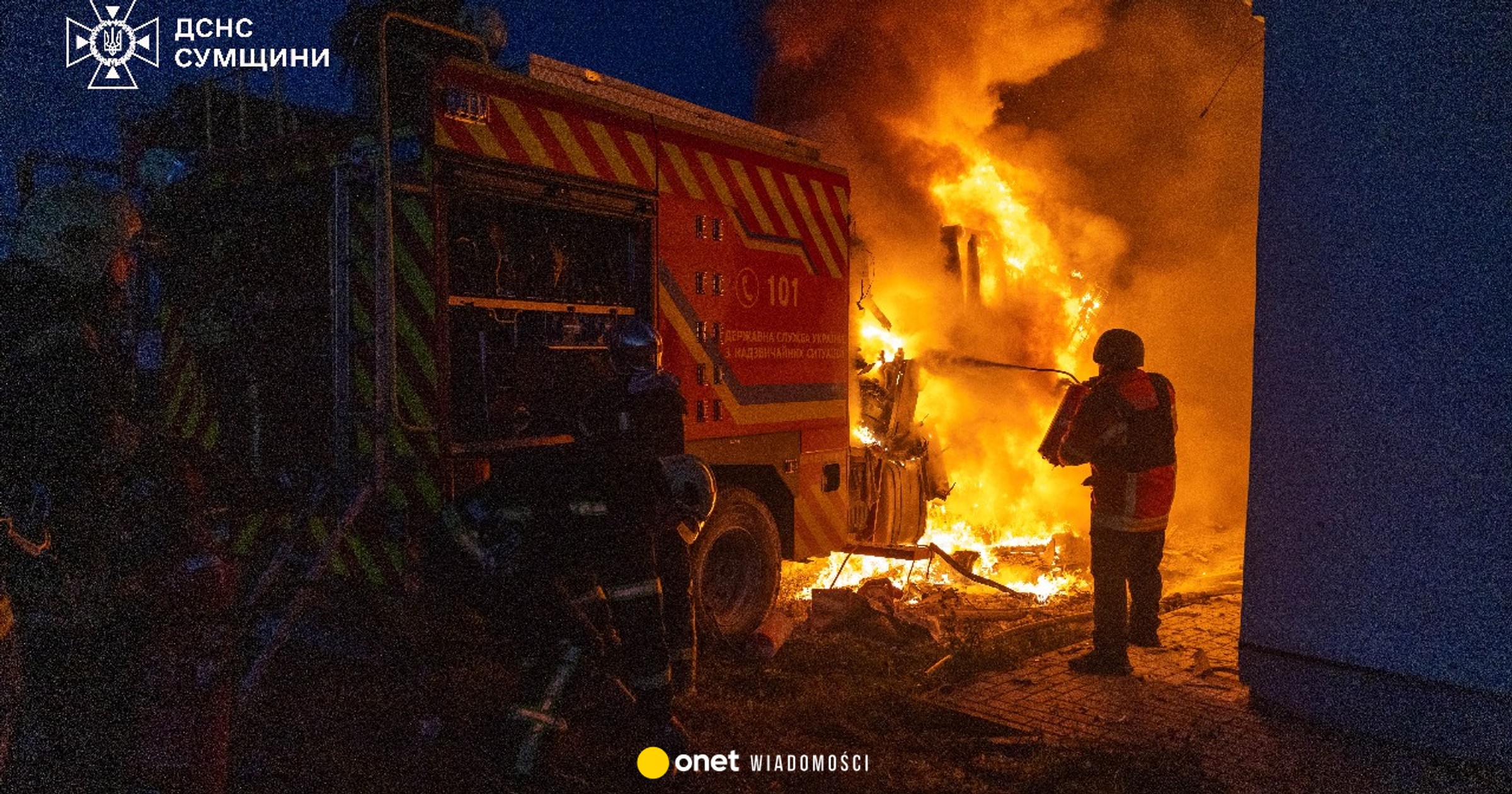
Israeli and American forces have been attacking key nodes of Iran's industry for weeks to paralyze production chains and weaken the regime's economic foundations. Instead of destroying individual plants, key infrastructure is being attacked, such as energy and supply facilities that feed numerous factories – such as last weekend's attack on the petrochemical complex in Mahshahr. Attacks on supply facilities resulted in a complete halt to production there.
In parallel, attacks are directed against sectors such as steel industry, research centers, as well as ports and airports. Israeli Prime Minister Binyamin Netanyahu stated in early April that “70 percent of Iran's steel production capacity had been destroyed.” The goal is to hit Iran's export earnings and thus permanently weaken the state's financial resources.
The article continues below the video
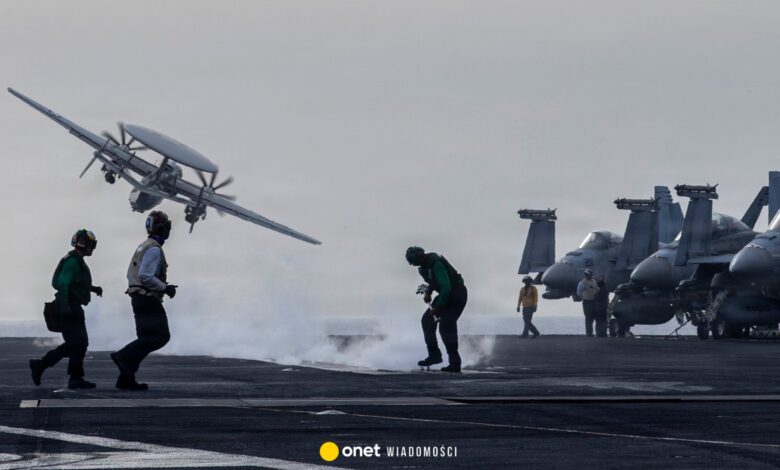
Sending American ground forces is also an option. The spectacular rescue of the American pilot of a plane shot down over Iran last weekend, during which special forces operated deep in enemy territory, may confirm Trump in such considerations. Thousands of soldiers and special forces have already been sent to the region in recent weeks.
One scenario is the takeover of key oil infrastructure on Khark Island. This is a risky movewhich, according to experts, may bring large losses and still end in failure. The alternative would be a naval blockade of Iranian tankers.
Iran still capable of action
However, a violent regime change in Iran, which Trump flirted with in the first days of the war, seems to be a distant prospect. Although Kurdish militias have occasionally signaled their readiness to fight alongside the US, they made it dependent on comprehensive air support from America and additional weapons supplies.
Second: Iran's military strength. Even after five weeks of war, the regime still demonstrates the capacity to take action. Its ability to launch 60 to 90 drone strikes a day — combined with missile strikes — is prolonging the conflict and increasing pressure on global energy markets. Despite weeks of airstrikes by the US and Israel So far, this striking force has not been significantly weakened.
A member of Iran's security forces stands guard next to a banner honoring assassinated Iran's supreme leader Ayatollah Ali Khamenei, Tehran, March 31, 2026.Atta Kenare AFP/AFP
According to an assessment by US intelligence services reported by CNN, about half of Iran's missile launchers remain intact, and the country still has thousands of long-range kamikaze drones. It is through these aircraft that the Revolutionary Guard Corps and pro-Iranian militias attack US military bases, energy facilities and other targets throughout the region. According to the New York Times, Iranian units are restoring hit missile bunkers and launch silos to operation within hours.
Battle for the Strait of Hormuz
Third: the key factor is control over the Strait of Hormuz. Iran has significantly restricted ship traffic there, thus ensuring control over one of the most important energy routes in the world. This is, alongside Iran's nuclear program, a key geopolitical lever for Tehran, as it enables the generation of direct revenues and provides a deterrent effect.
Attempts to open the crossing would be risky due to Iranian drones, missiles and speedboats. Whether Iran maintains control of the strait may ultimately determine whether the country emerges from the conflict weakened or strengthened.
Fourth: the political situation in the USA. A prolonged conflict would contradict Trump's pledge that the US will not engage in prolonged hostilities. In the case of military operations so far, the president has largely stuck to this pattern. For example, during Operation Midnight Hammer – airstrikes on Iranian nuclear facilities in the summer of 2025 – he focused on short and precise attacks. A similar approach, which was expected to bring quick results, was used by the US during the arrest of Venezuelan President Nicolas Maduro.
Moreover, a prolonged war with Iran would have further military consequences. Leading military analysts such as Franz-Stefan Gady warn that the high consumption of precision and interceptor munitions may further weaken the US strategic ability to act.
Indeed, recent operations show how quickly supplies of anti-aircraft weapons are dwindling. According to the Center for Strategic and International Studies (CSIS), the US-led campaign uses large amounts of interceptors, which is why Washington has already had to transfer systems between different regions. The current Bloomberg report presents a similar picture: according to it, the operation against Iran consumes almost the entire stockpile of JASSM-ER cruise missiles; of the original approximately 2,300 pieces worldwide, only a few hundred remain.
I’m Ashley Davis as an editor, I’m committed to upholding the highest standards of integrity and accuracy in every piece we publish. My work is driven by curiosity, a passion for truth, and a belief that journalism plays a crucial role in shaping public discourse. I strive to tell stories that not only inform but also inspire action and conversation.