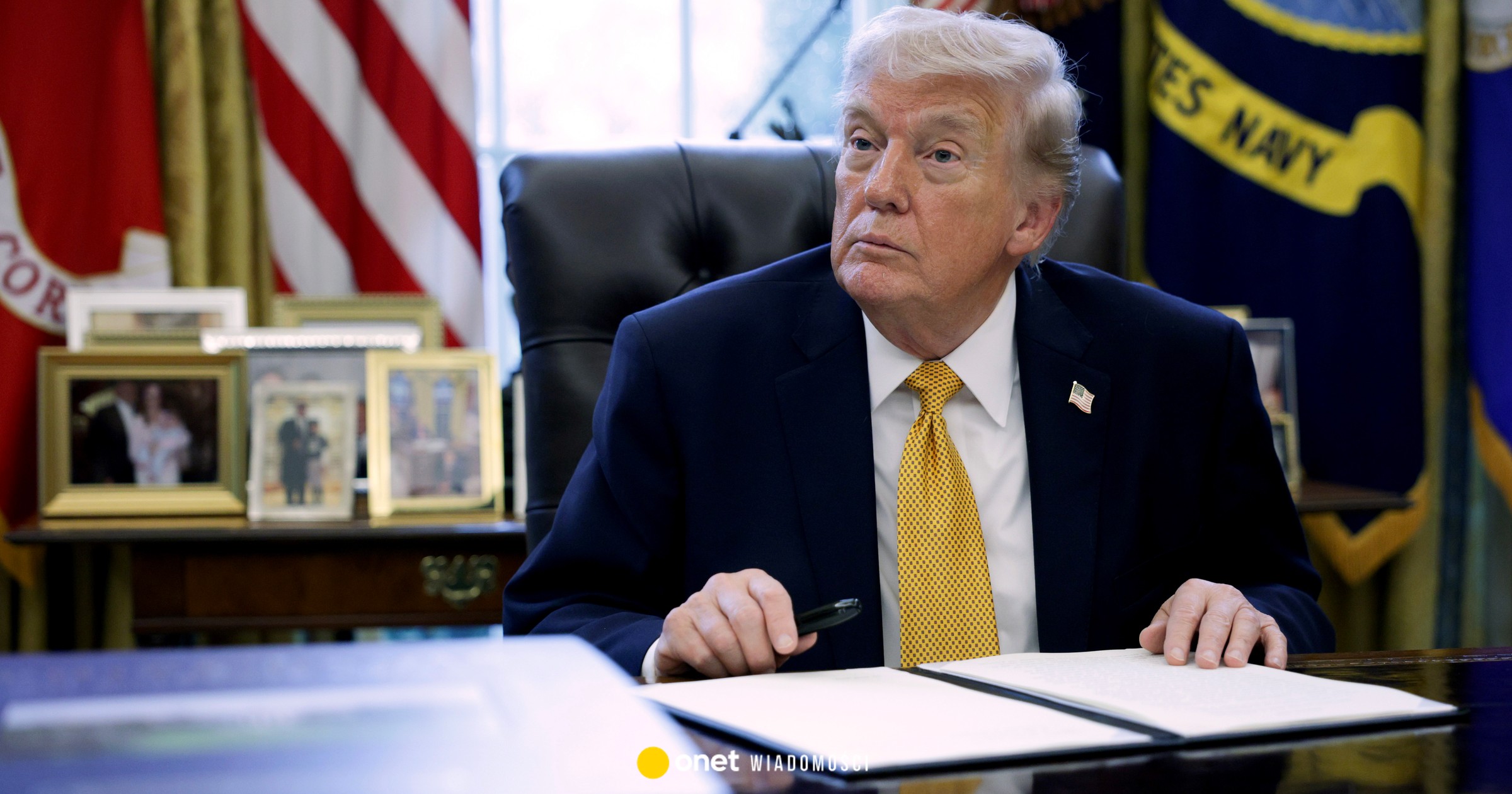
61 percent respondents in a Pew Research Center poll said they did not support the president's handling of the conflict. Donald Trump started it together with Israeli Prime Minister Binyamin Netanyahu at the end of February.
A separate study by Quinnipiac found that 42 percent registered voters believe that war will make the world less safe.
Only 35 percent he believes it will make him safer.
And this may be just the beginning of Trump's problems.
The poll comes as the president this week signaled a withdrawal from part of the operation against Tehran. On Monday, Trump announced a halt to “all military attacks on Iranian power plants and energy infrastructure” due to “very good and fruitful talks” between negotiators on both sides.
Republicans and Democrats are at odds over the president's military actions. 78 percent Republicans said in the Pew poll that the war was going somewhat well or very well, compared with 29 percent democrats.
— From the very beginning, President Trump and the War Department estimated it would take to accomplish this critical mission approximately four to six weeks White House press secretary Karoline Leavitt said on Wednesday during a briefing. — After 25 days, the most powerful army the world has ever known is ahead of schedule and operating exceptionally effectively.
Concerned Americans
Trump's trip to China was scheduled for mid-May, Leavitt added. Originally, the US president's visit – the first since 2017 – was scheduled to take place between March 30 and April 2, but was postponed because the Republican did not want to leave the country during the war with Iran. As in the case of previous plans, the place of the visit is to be Beijing.
White House officials expressed this week optimismthat the conflict is coming to an end. At the same time, the Pentagon is preparing plans to send another 3,000 to the Middle East. soldiers from the 82nd Airborne Division.
The article continues below the video
Fighting also threatens affordabilitywhich is a key point of the president's program before the November by-elections. Gasoline prices continue to soar as the Strait of Hormuz remains closed due to the threat of attacks by Iranian forces.
In this context, 45 percent American adults said in an AP-NORC poll released Wednesday that they are “very” or “extremely” concerned the prospect of purchasing gasoline in the next few months.
However, the White House emphasized that prices would drop when military operations end.
Uncertain future
“The president has said that once these combat operations end, the administration will continue to advance U.S. energy dominance,” Leavitt said Wednesday. — We do it every day and we'll see how it goes prices at gas stations will drop againas it happened before, thanks to this president.
The Pew Research Center poll was conducted online and by telephone from March 16-22, with a margin of error of plus or minus 1.8 percentage points. The Quinnipiac poll was conducted by telephone from March 19-23, with a margin of sampling error of plus or minus 3.6 percentage points. The AP-NORC poll was conducted online and by telephone, also from March 19-23, with a margin of error of plus or minus 4 percentage points.
Iranian Foreign Minister Abbas Aragchi he denied that his country was negotiating with the United States. He stressed that Iran intended to continue fighting and negotiations would be an admission of defeat. — Now our position is to continue the resistance. We do not intend to negotiate, there have been no negotiations so far, our position here is very fundamental. Talking about negotiations now would be admitting defeat, Aragchi stressed.
I’m Ashley Davis as an editor, I’m committed to upholding the highest standards of integrity and accuracy in every piece we publish. My work is driven by curiosity, a passion for truth, and a belief that journalism plays a crucial role in shaping public discourse. I strive to tell stories that not only inform but also inspire action and conversation.