Article by GSP – Published on Monday, 09 March 2026, 15:51 / Updated on Monday, 09 March 2026 15:51
Winter does not forgive haste or small carelessness. A road that seems mundane in summer can become, in a few minutes, a combination of cold road, wetness, fog and reduced visibility.
The good thing is that safety often comes down to simple checks done on time. A clear list helps you hit the road with more control and fewer surprises.
The right tires and quality
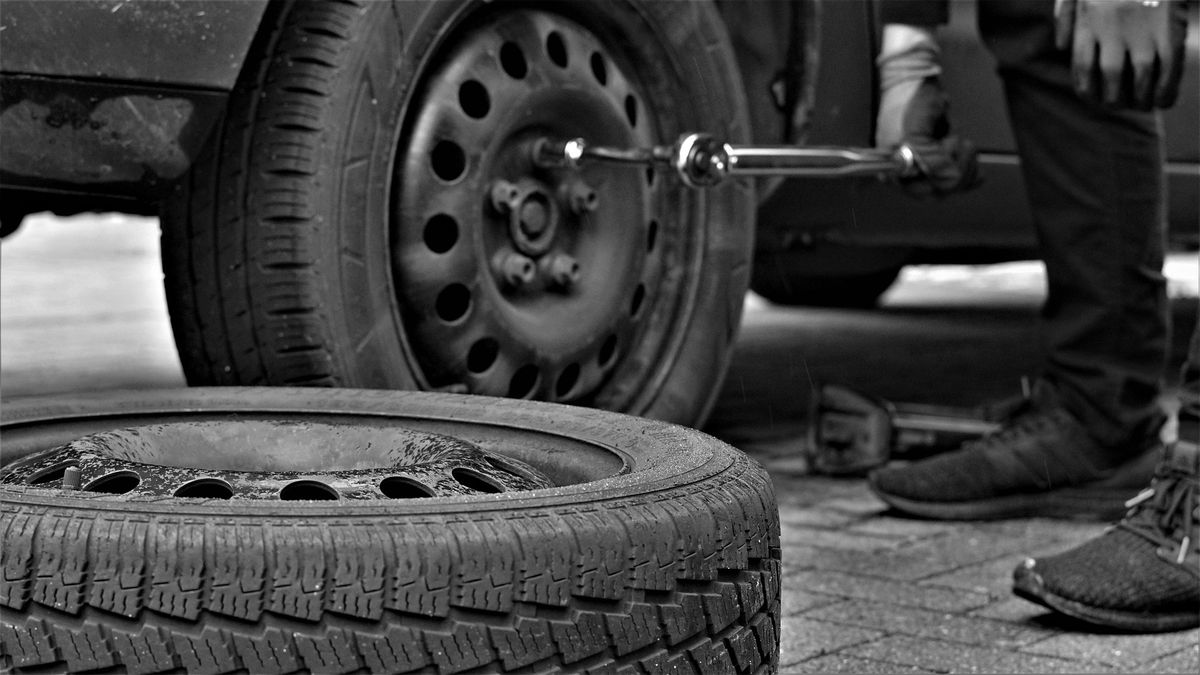
The first safety filter is contact with the asphalt. Check if the tires are winter and if they have enough profile for the cold season. Even a stable car becomes difficult to control when the tire no longer evacuates water and snow and the braking distance increases.
Also look at the pressure, because cold temperatures can reduce it noticeably. Too little pressure affects adhesion, wear and consumption. At the same time, don't ignore the spare wheel or the wedge kit, plus the necessary keys.
If you find that you have a set of tires to change, a set of wheels to balance, or a set of consumables to complete that cannot be put off any longer, a online credit it can be a one-off solution, just enough to quickly solve what directly affects your safety in winter conditions.
Brakes, steering, suspension: the small signs that herald big risks
In winter, the brakes are tested more often and harder. If the pedal seems softer than usual, if you hear squeaks, feel vibrations or the car pulls to one side when braking, do not delay the check. On wet or icy roads, any imbalance is amplified and reduces your reaction time.
Steering and suspension matter just as much, even if you don't think about them on a daily basis. A loose bar end, a worn shock, or out-of-tune geometry can make the car unstable just when you need predictability. If the steering wheel doesn't return easily, if you feel knocks on bumps or if the car seems to float in corners, it's worth a check before starting long drives.
Visibility in the cold season
Visibility isn't just about headlights. It means a clean windshield, a working defogger and wipers that actually do the job. If the blade leaves marks, bounces on the glass or squeaks, changing it is one of the cheapest decisions that can significantly improve your comfort and safety.
Check your winter windshield fluid and don't dilute it. Make sure the nozzles spray evenly and are not clogged. Next, do a tour of the lights: low beam, high beam, taillights, signals, fog lights. A tired bulb can burn out exactly on a snowy evening, when you need every extra meter of visibility.
Don't forget the mirrors and side windows. Even a thin film of dirt, salt and moisture reduces your field of vision more than you realize. Cleaning them before you leave, plus a handy wipe in the car, can make the difference between a relaxed drive and a stressful one.
Habits that reduce risk
A safety-oriented approach doesn't stop at the car, it also includes the way you drive. It keeps a greater distance from the car in front, anticipates braking and avoids sudden maneuvers. In the city, most incidents occur at low speeds, due to lack of space and hasty reactions. On national roads, the danger comes from the alternation of dry asphalt and wet or icy sections, where the grip changes without warning.
In the trunk, a winter kit gets you out of unpleasant situations: squeegee, brush, gloves, flashlight, jump leads, reflective triangles, a blanket and some water. It's not spectacular stuff, but it's just the kind of detail that helps you stay calm if you get stuck or have to wait.
When you have to tick several expenses at once, from consumables to small repairs, a credit used responsibly, it can strictly cover the emergency, so you don't hit the road with delayed problems that can cost you more later.
You leave with peace of mind when you know what you've checked
A winter must-have list is essentially about reducing the unknown. Tires, brakes and visibility are the first three chapters that directly influence your safety, and driving habits complete everything with extra control.
If there are symptoms that go beyond a simple check, such as reduced braking efficiency, persistent noises, or steering problems, the healthiest step is to have it evaluated by a licensed professional. A proper diagnosis helps you fix the cause, not just the effect, and hit the road with confidence, whatever the weather.
photo source: pixabay.com