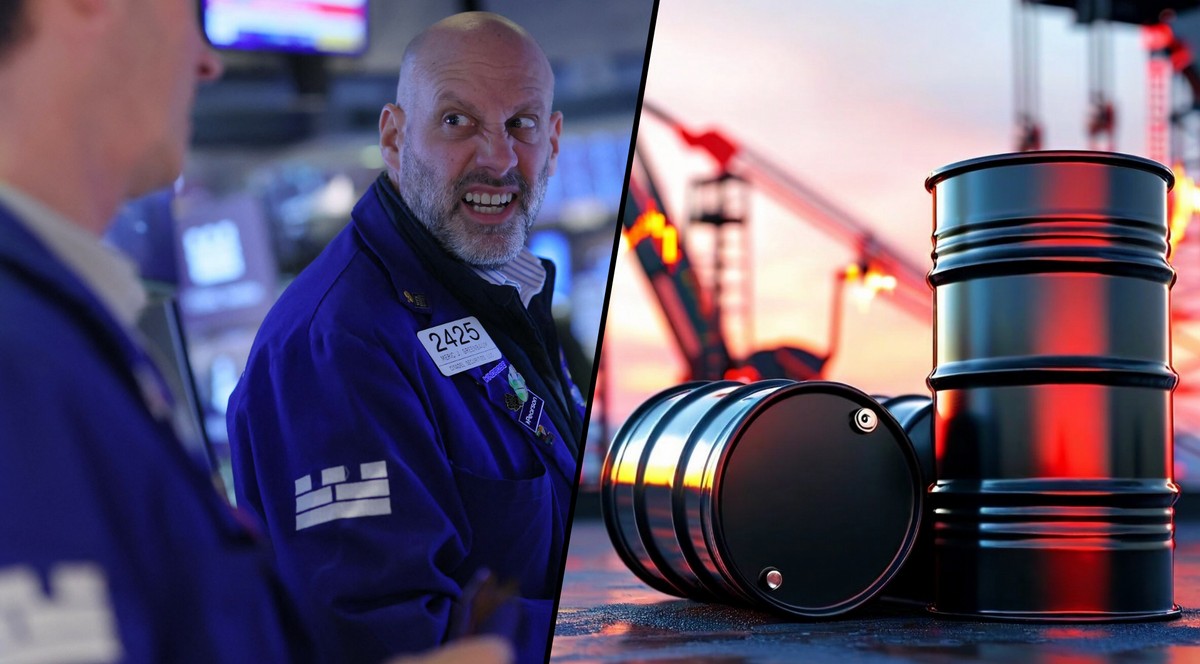
Oil production in the Middle East is heading towards a halt as investors brace for a prolonged conflict in the Persian Gulf. On Friday, global oil prices exceeded $90. per barrel.
US President Donald Trump has warned that there will be “no deal” with Iran unless the country offers “unconditional surrender”, and Qatar's energy minister predicted that oil would reach $150. per barrel without a quick end to the war.
One of the Middle Eastern crude oil benchmarks has already exceeded $100. per barrel as refineries race to seize cargo that doesn't have to pass through the Strait of Hormuz, a narrow waterway through which 20 percent of world's oil and which remains effectively blocked by conflict.
Arne Rasmussen, chief analyst at Global Risk Management, said the market had underestimated the likely duration of the war, adding that there had been a “snowball effect” as investors realized the risks.
Iraq has already halted most of its oil production and Kuwait has cut production as the country's storage facilities reach their maximum capacity. Analysts warn that even Saudi Arabia, the largest producer in the Persian Gulf, may be forced to cut production in the coming weeks.
The price of Brent crude oil increased by almost 8%. up to $92.01 per barrel on Friday afternoon in London, the highest level since April 2024 and up from $72. before the conflict.
Prices for crude oil cargoes for delivery in the next few months have risen more than those for delivery later in the year, indicating that investors are willing to pay more to secure the commodity immediately given the scale of the supply shock.
Source: Financial Times