Maryam, lawyer in Iran, confectioner in Romania: “We are not just emigrants! We are educated women, forced to rebuild our identity from scratch”

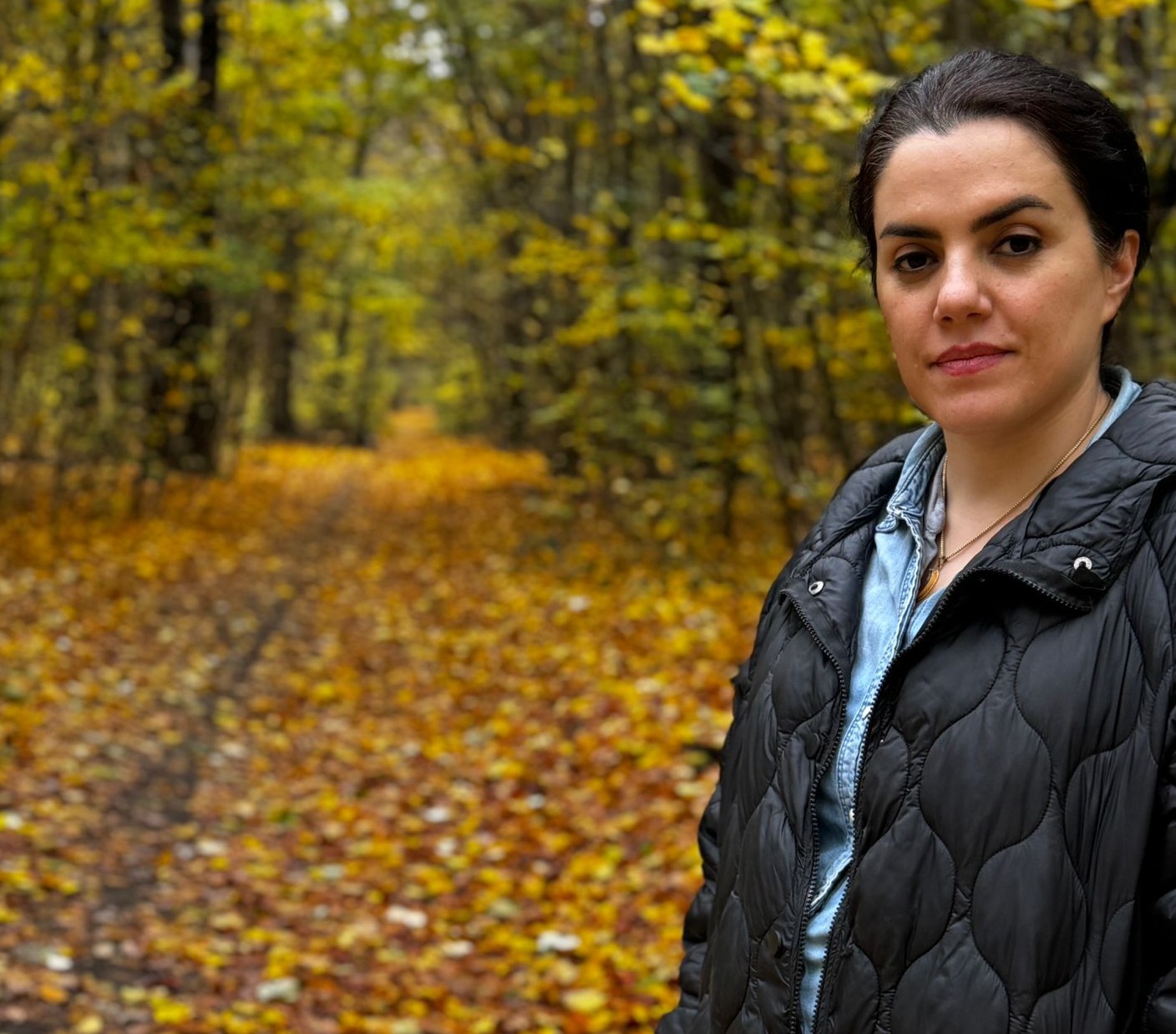
Maryam Sedigh has been living in Romania for almost five years. When they left Iran, they left thinking they would come back. He left his mother and sister there, about whom he now knows almost nothing. PHOTO: family archive
Maryam Sedigh (41) is a lawyer and mother of two boys aged 12 and 8, and when she lived in Tehran she was involved in support projects for vulnerable women and children. She left her country almost five years ago with her husband and two sons, hoping the departure would be temporary. Her mother and sister remained in Tehran. Since the internet in Iran was cut, the daily connection – “alive and constant, not just to get news but also to find peace of mind” – has been almost completely broken. She says that for Iranian women who have emigrated, the victims in the news are not “numbers” but “mothers, sisters, women with real lives, real fears, and courage consumed daily to survive.”
According to the Hengaw organization, picked up by the international press, many women were killed during the protests of January 2026. Among them: Sholeh Sotoudeh, a mother of two children, pregnant at the time she was killed during the protests; Ziba Dastjerdi, shot in front of her daughter during a protest in Nishapur; Zahra Bagheri, mother of three, shot in the head during a protest on January 8; Aida Aghili, a resident of Tehran, aged 34, killed in the street during the demonstrations.
For Iranian women who have emigrated, this information is neither “news” nor statistics. There are possible scenarios for stay-at-home moms, sisters, and girlfriends. Maryam also speaks from this angle: as a mother, as a daughter and as a woman who lives between two worlds, for whom every name in an official statement could be someone dear.
ALL ABOUT MOTHERS: What made you leave Iran?
Maryam Sedigh: Our decision to leave Iran was related to my husband's job. In 2018, he was working for an international company, exactly at a time when we felt that Iran's situation could improve, as a result of the JCPOA nuclear agreement
With the withdrawal of the United States from the agreement, during the Trump administration, sanctions against Iran were reinstated. International companies began to reduce their activity: some of the employees were fired, and those considered necessary were relocated to other branches in the world. We had never thought about emigrating, but in that context we decided to leave, with the idea that it is a temporary solution, until the situation in Iran improves and we can return. Unfortunately, this has turned out to be a false hope, as the situation in Iran has steadily deteriorated year by year.
Are mother and sister still in Iran? where do i live Have you been able to talk to them since the internet went down?
In the city where I grew up, Tehran, where my home and roots are. I have not been able to hear from them at all or only for brief and uncertain moments. And this lack of information is exhausting. The mind is constantly reviewing worst-case scenarios. The inability to contact them brings a sense of helplessness, even when you are thousands of kilometers away in a relatively safe place.
Read the rest of the article HERE.