Iran, under an imposed silence: soldiers on the streets and warnings from loudspeakers. What should we expect?

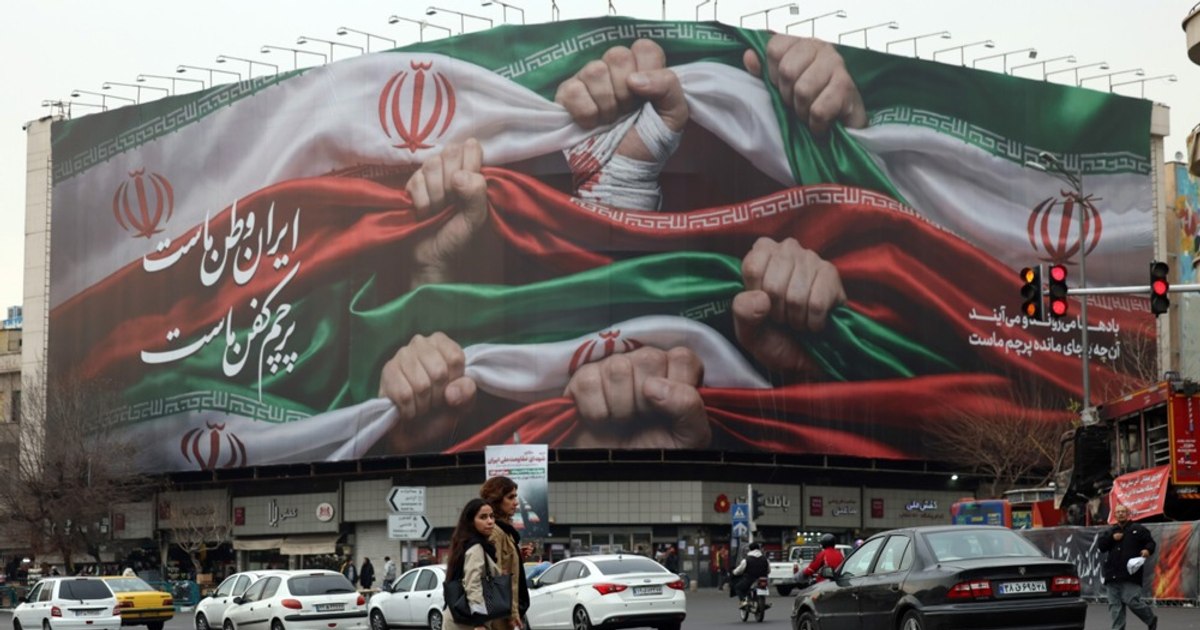
The streets of Tehran, once filled with protesters demanding the end of the regime, have been emptied. In their place appeared security forces, police motorcycles and threatening messages broadcast from loudspeakers. After the violent suppression of a national uprising unprecedented in the last 40 years, Iranian authorities are trying to restore total control in an atmosphere described by locals as “undeclared martial law”, writes The Wall Street Journal.
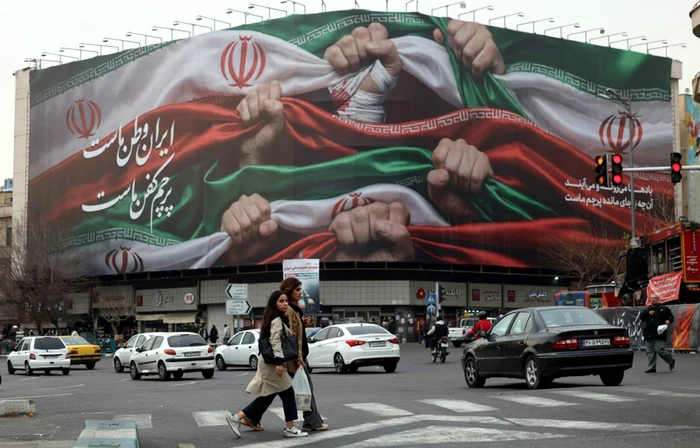
The Tehran regime suppressed the Iranian uprising in blood/FOTO:X
In recent days, members of the pro-government Basij militia have been patrolling Tehran's neighborhoods on motorcycles, shouting direct warnings to the population. “Don't come out of your houses! We're shooting!”, residents of the capital say they heard. A medical student says he counted at least five banks vandalized during the clashes. Many shops are still closed and universities – the epicenter of the protests – remain suspended.
The quiet that has descended reflects the effectiveness of the swift and bloody repression with which the regime quelled the most serious threat to it in decades. According to the US-based Human Rights Activists in Iran, only two isolated protests have been reported in recent days. The toll is dramatic: at least 3,308 dead, almost all protesters, and over 24,000 arrests.
Displayed normality, real fear
The authorities are trying to send signals of a return to normality. IRIB state television broadcast images of schools reopening after a week of closure and announced a spectacular rise in Tehran's stock index. The government also announced that internet restrictions imposed at the beginning of January are being relaxed.
In reality, Iranians say, Internet access remains unstable and contact with relatives is still difficult.
The repression continues. On Sunday, the spokesman for the judiciary, Asghar Jahangiri, announced the arrest of people accused of having links to the Israeli intelligence service Mossad and of being involved in the protests.
Cities under occupation
For the residents, normalcy seems far away. In Tajrish, an affluent neighborhood in northern Tehran, commonly known as one of the capital's liveliest spots, the streets are almost deserted. Most shops are closed, and the few grocers that remain open close their shutters early.
The situation is no different in other cities. In Karaj, an industrial center west of Tehran, police are using loudspeakers to ask people to stay away from windows. “Don't come near. Stay in your houses,” are the messages being sent, according to activist Sahar Ajdamsani, who spoke to local residents.
In Mashhad, one of the cities where the protests were the most extensive, images verified by journalists show a massive presence of law enforcement. Armored vehicles are positioned at key entrances to the city, and police in black uniforms and helmets patrol sensitive areas.
War of declarations at the international level
Externally, tensions have increased. Iran's Supreme Leader, Ayatollah Ali Khamenei, directly accused former US President Donald Trump of responsibility for the victims of the protests. “We hold him guilty for the loss of human life and the damage to the Iranian nation,” Khamenei wrote on the X platform.
The reply was not late. In an interview with Politico, Trump described the Iranian leader as “a sick man” and said Iran needed new leadership.
Although Trump initially encouraged the protesters and threatened to intervene if the regime resorted to mass killings, he temporarily abandoned the military option. His advisers have warned him that the United States does not currently have sufficient forces in the region to deal a decisive blow to the Iranian regime and face possible retaliation.
A fragile silence
For now, Iran seems calm. But it is an enforced silence, policed by guns, surveillance cameras and fear. Beneath the surface, discontent persists, and the question that remains is how long the regime will be able to maintain control by force, the WSJ claims.