This is the end of the refinery's problems in Serbia. The Hungarians reached an agreement with Gazprom


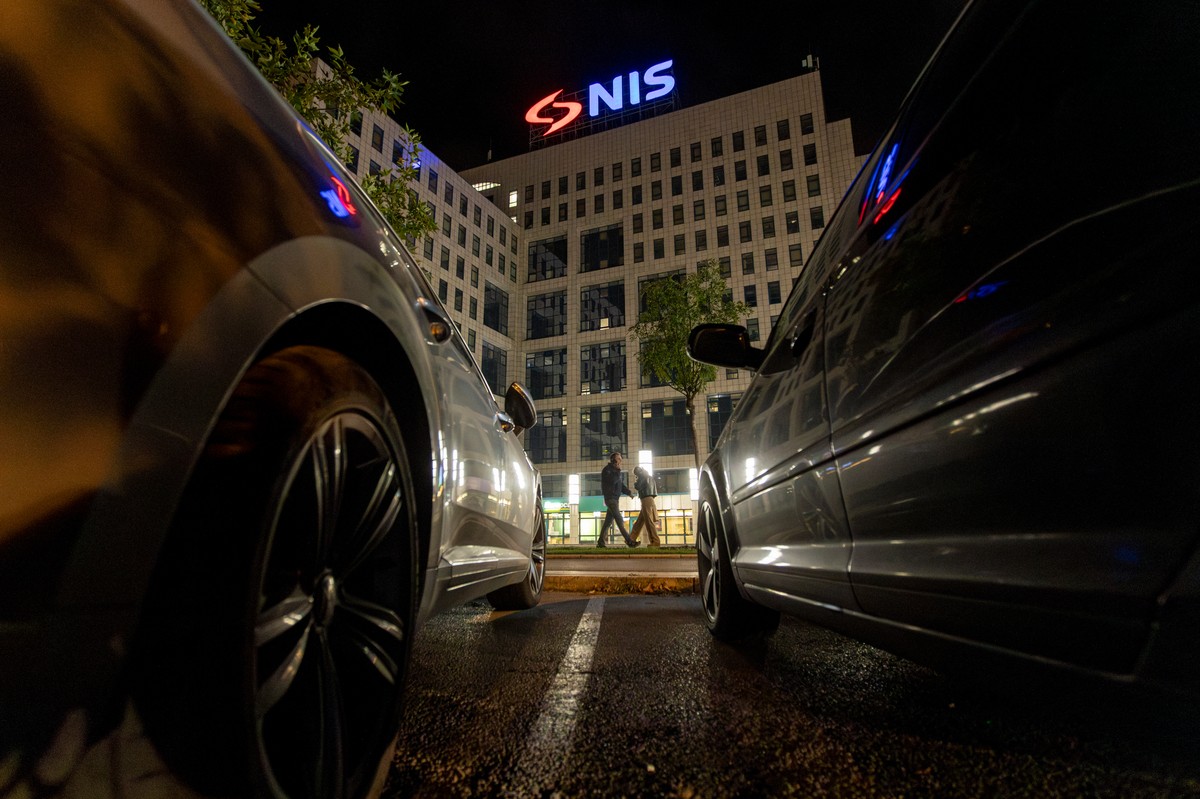
The MOL Group has signed a binding framework agreement with the Russian company Gazprom Neft regarding the acquisition of 56.15 percent. shares in the Serbian refinery Naftna Industrija Srbije (NIS). After finalizing the transaction, MOL will take over shareholder obligations and control rights in the company, which operates the only refinery in Serbia. Zsolt Hernádi, president and general director of the MOL group, emphasizes in a statement made available by PAP that his company has been successfully cooperating with Serbian partners for many years.
See also: Hungary balances between Moscow and Washington. The key agreement has been signed
MOL on taking over the refinery in Serbia: we are ready
NIS – the only refinery in Serbia – is currently majority owned by Russia's Gazprom and Gazprom Neft, which are subject to US and Western European sanctions. Restrictions on oil supplies to Serbia resulted in an almost dramatic situation in the country at the end of last yearand the authorities were looking for various solutions. The most important of them was the sale of Russian shares in the company. Talks with MOL have been going on for several weeks. Now a preliminary agreement has been signed regarding the takeover of part of Gazprom Neft by the Hungarian fuel giant.
See also: The richest Pole closes a deal with the largest Polish company. The value of the transaction is impressive
“MOL is committed to working with the Serbian government to further strengthen security of supply in Serbia and the region. The energy sovereignty of landlocked countries requires the cooperation of strong local refineries that operate predictably and effectively, and the involvement of strong partners. We are ready to take on this task,” Zsolt Hernádi, president and CEO of the MOL group, emphasized in the company's announcement. He added that the company will conduct further talks on this matter to finalize the transaction.
In early January 2026, the NIS refinery resumed operations under a temporary “easing” of sanctions by the U.S. Treasury. After more than a month of downtime, oil flowed to Serbia, which enabled the plant to start up.