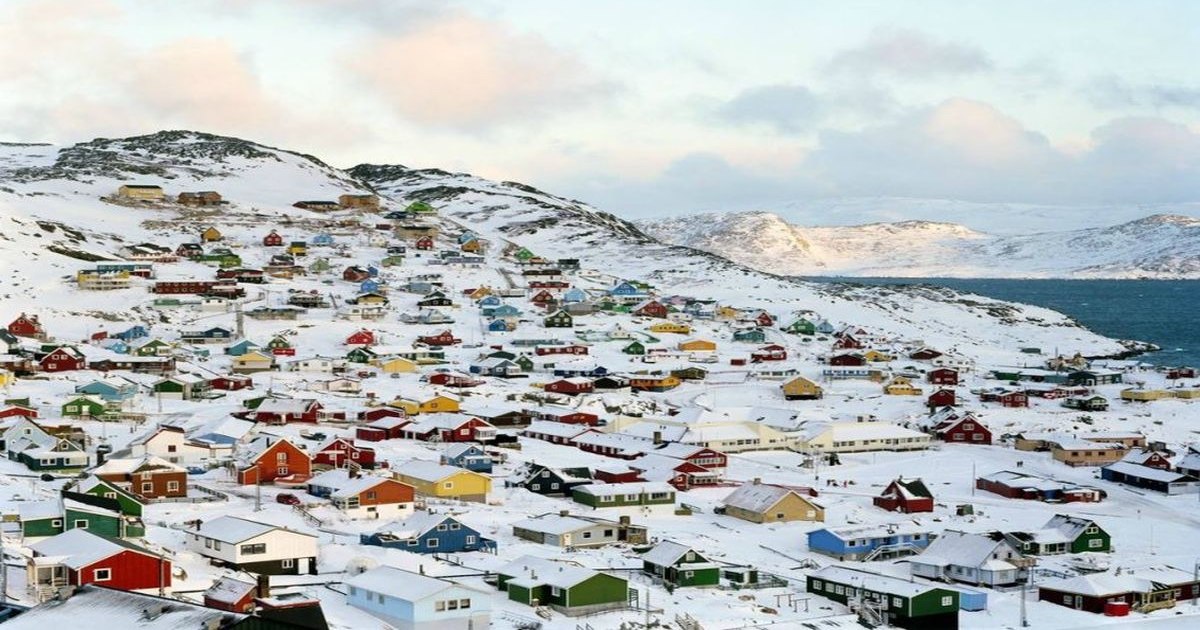
Greenland, the planet's largest island, is home to some of the richest reserves of natural resources known globally. Beneath kilometers of ice lie essential raw materials for the modern economy, including the energy transition, but also classic resources such as oil and natural gas.
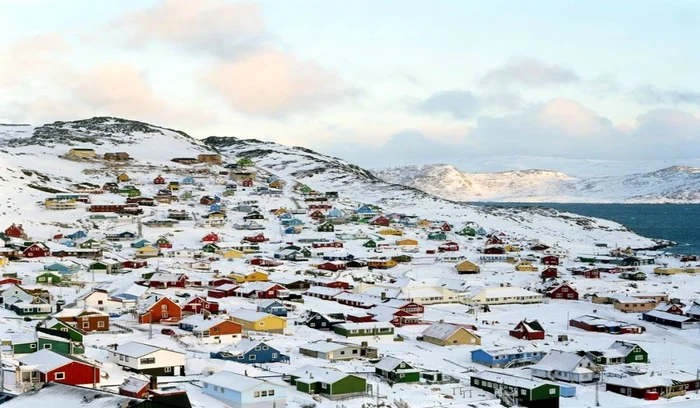
Greenland, coveted by the USA/PHOTO: Archive
These include critical raw materials – lithium and rare earth elements – indispensable for batteries, wind turbines, electric vehicles and other “green” technologies. At the same time, Greenland holds valuable metals and significant hydrocarbon reserves.
Strategic resources under the ice sheet
Research indicates that at least three deposits of rare earths under the ice could be among the world's largest by volume. They could play a crucial role in the production of batteries and electrical components needed for the global energy transition, writes The Conversation.
Interest in Greenland's potential has led Denmark and the United States to invest heavily in studies of the economic feasibility and environmental impact of exploitation. According to the US Geological Survey, northeast Greenland – including the ice-covered areas – could contain the equivalent of about 31 billion barrels of oil, an amount comparable to the total proven oil reserves of the United States.
Only less than 20% of Greenland's surface is free of ice, although this area is almost twice the size of the United Kingdom. This fuels the hypothesis that under the ice sheet there may be still unexplored reserves of considerable size.
A rare geological history
The exceptional concentration of resources is the result of an extremely complex geological history spanning four billion years. Greenland is home to some of the oldest rocks on Earth, as well as unusual formations such as massive blocks of native iron or diamond-bearing kimberlite structures discovered since the 1970s.
From a geological point of view, Greenland is a rare case: all three major processes by which natural resources are formed have taken place here – orogenesis (the formation of mountains), rifting (the spreading of the earth's crust) and volcanic activity.
Long periods of mountain formation created faults where gold, rubies and graphite accumulated. The latter is essential for lithium-ion batteries, but remains relatively underexplored compared to the major global manufacturers.
Oil, gas and metals
Most of Greenland's resources come from episodes of rifting, including when the Atlantic Ocean began to form, about 200 million years ago. Onshore sedimentary basins such as Jameson Land are considered promising for oil and gas, in a similar way to the Norwegian continental shelf.
However, extremely high costs have limited commercial exploration. Recent research suggests the existence of extensive oil systems off the coast of Greenland as well.
Metals such as lead, copper, iron and zinc are also found in these basins, mined locally on a small scale since the 18th century.
Rare metals and the global stakes
Although Greenland is not as volcanically active as Iceland, many of its critical raw materials are linked to past volcanic episodes. Rare elements such as niobium, tantalum and ytterbium have been identified in igneous rocks.
In particular, it is estimated that under the ice of Greenland lies enough dysprosium and neodymium reserves to meet over a quarter of future global demand – about 40 million tons. These elements are vital for electric motors, wind turbines and nuclear technologies, and are also difficult to procure on the global market.
Exploitation of known deposits, such as Kvanefjeld in southern Greenland, could significantly influence the world market for rare earths.
A difficult dilemma
The global energy transition emerged as a response to the dangers of burning fossil fuels. But climate change is accelerating the melting of Greenland's ice, making resources that were previously inaccessible accessible.
Since 1995, an area comparable to that of Albania has remained ice-free, and the rate of melting is increasing. Modern technologies – such as ground-penetrating radar – allow accurate mapping of rocks beneath up to two kilometers of ice, but exploration and sustainable mining remain extremely difficult.
A major dilemma arises here: Should Greenland harness its new resources to support the global energy transition? Or would their exploitation accelerate environmental destruction, ice melt and sea level rise, endangering even the island's coastal communities?
Currently, mining activities are strictly regulated by the Greenlandic authorities, based on decades-old laws. However, pressure to relax these rules could increase amid growing interest from the United States and other global players in Greenland's strategic future.