Secret negotiations currently between Washington and Caracas over the fate of Venezuelan oil


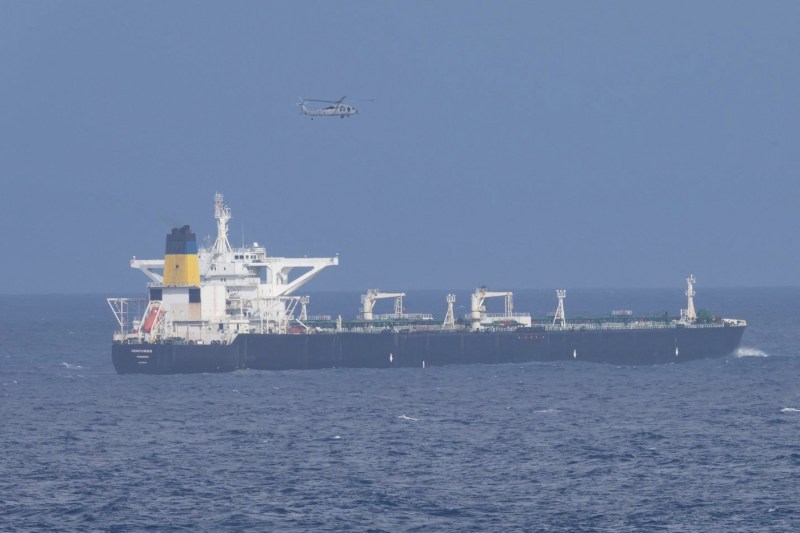
The oil tanker Centuries, when it was intercepted by the US Coast Guard, on December 20, 2025. PHOTO: Handout / AFP / Profimedia
Government officials in Caracas and Washington are discussing exporting Venezuelan crude to refineries in the United States, five government, industry and shipping sources told Reuters on Tuesday, a deal that could divert oil supplies to China while helping state-run PDVSA avoid further production cuts.
Venezuela has millions of barrels of crude oil loaded onto oil tankers and storage tanks that it has been unable to ship due to an export embargo imposed by US President Donald Trump since mid-December.
The blockade was part of increasing US pressure on the government of Venezuelan President Nicolas Maduro, which culminated in his capture by US forces over the weekend.
A potential deal to sell embargoed crude oil to the U.S. could initially require the reallocation of cargoes originally destined for China, two sources said. The Asian country has been Venezuela's main buyer over the past decade, and especially since the United States imposed sanctions in 2020 on companies involved in oil trade with Venezuela.
The supply would increase the volume of Venezuelan oil exported to the US, a flow that is currently entirely controlled by Chevron, PDVSA's main joint venture partner, based on an authorization granted by Washington.
Chevron, which exports between 100,000 and 150,000 barrels per day (bpd) of Venezuelan oil to the U.S., has emerged in recent weeks as the only company to fluidly load and transport crude from the South American country amid the blockade.
PDVSA (Petróleos de Venezuela – the Latin American country's national oil company) has already been forced to cut production due to the embargo, as it no longer has storage space for crude oil. If PDVSA does not find a solution soon to export oil, it will have to cut production even more, said one of the sources cited by Reuters.
The White House, Venezuelan government officials and PDVSA did not immediately offer views on the matter. Venezuela's oil ministry said the US wanted to “steal” the country's oil reserves and denounced Maduro's capture as “a kidnapping”.
US refineries on the Gulf Coast can process Venezuelan crude and were importing about 500,000 barrels per day (bpd) before Washington imposed energy sanctions on Venezuela.
It is not clear how PDVSA, a company subject to sanctions, will obtain revenue from oil sales, Reuters notes.
Officials from the two countries held talks this week on possible sale mechanisms, including auctions, to allow interested U.S. buyers to participate in shipping bids, and on issuing U.S. licenses to PDVSA's business partners, negotiations that could lead to supply contracts, two sources said.
The sides also discussed whether Venezuelan crude can replenish the US Strategic Petroleum Reserve in the future, one of the sources added.