Iran was flooded with a wave of protests. There were clashes with the police and there were fatalities

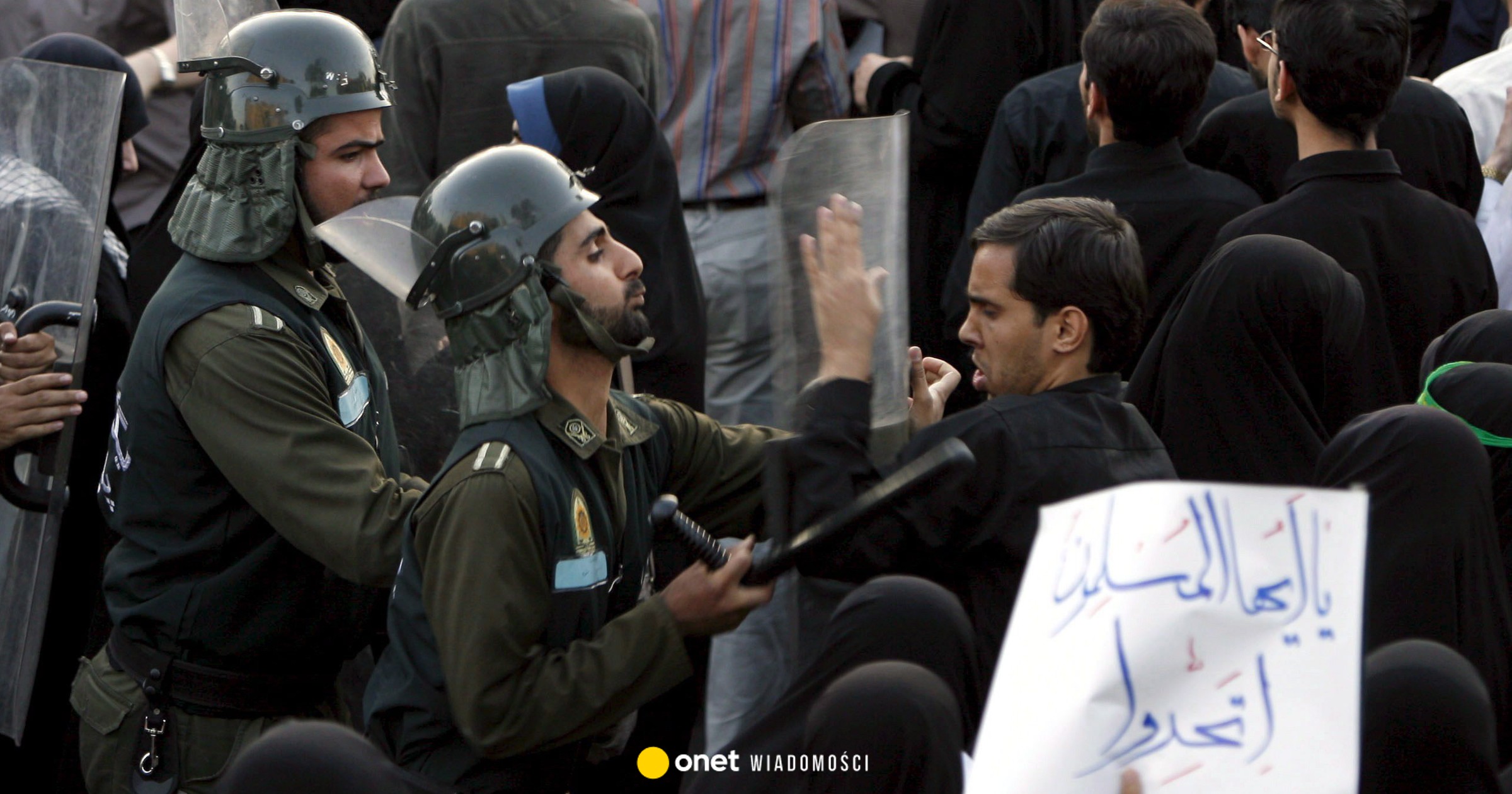
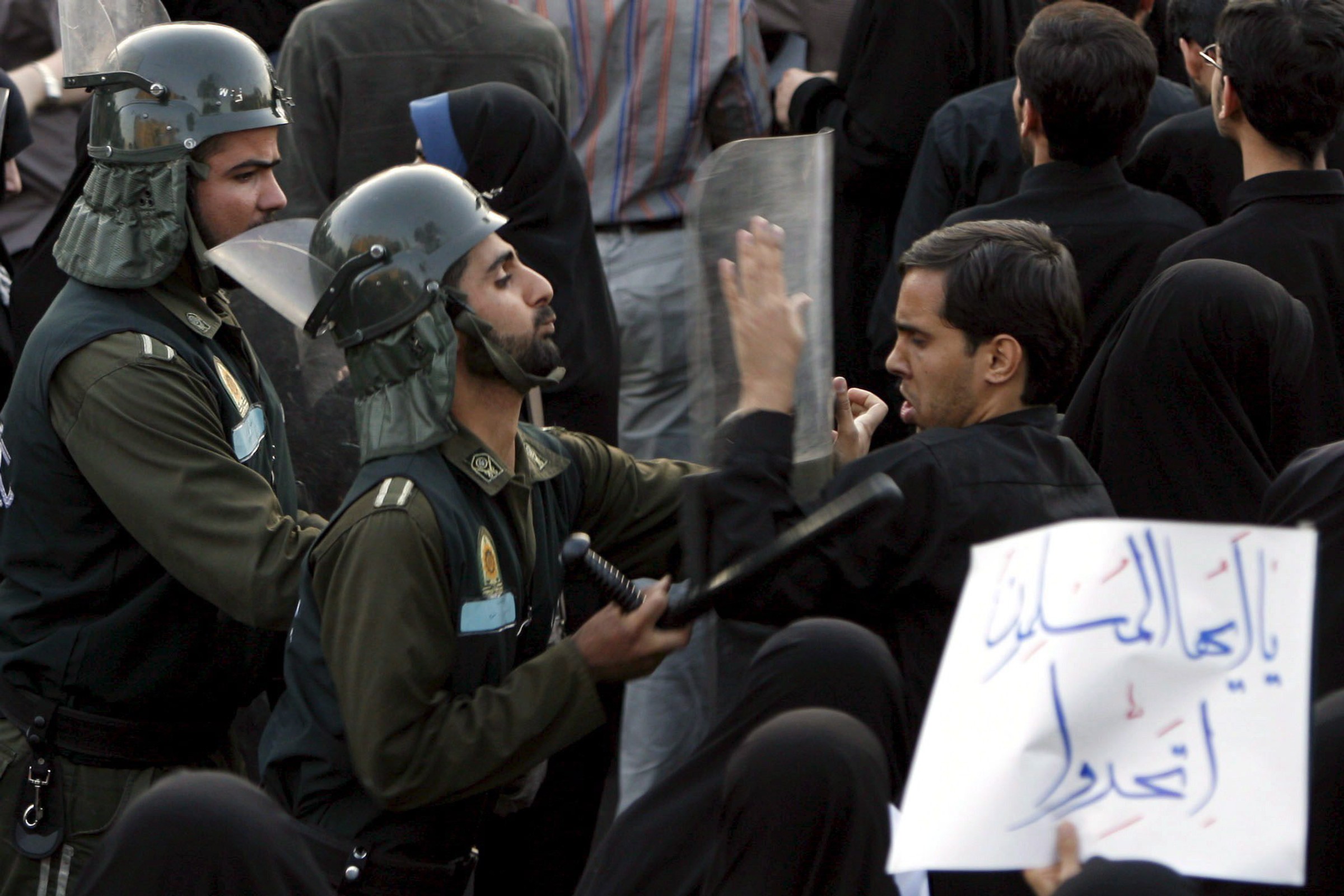
The semi-official Fars news agency reported that three protesters were killed and 17 injured in an attack on a police station in the western province of Lorestan. The demonstrators stormed the police headquarters. There were clashes and several police cars were set on fire.
The article continues below the video
How many people died during protests in Iran?
Where did the protests take place in Iran?
Who was arrested in connection with the protests?
Why did the authorities declare a day off from work?
Earlier, both the Fars agency and the human rights organization Hengaw reported deaths reported elsewhere. Reuters was unable to immediately verify the reports.
State television reported the arrest of seven people, including five whom it described as monarchists and two others – according to it – linked to groups operating in Europe. On Thursday evening, the Tasnim agency reported the detention of thirty people in Tehran who were accused of “disturbing public order.”
— As a result of a coordinated action by the security and intelligence services, 30 people disturbing public order in the Malard district in western Tehran were identified and arrested, Tasnim news agency reported, claiming that these people “tried to create uncertainty.”
Demonstrations in Iran spread to the provinces
According to AP, while the demonstrations in Tehran were supposed to have slowed down, they began to occur in the provinces. The deaths could mark the beginning of a more forceful response by Iran's theocracy to the protests. Video recordings obtained by the opposition emigration website Iran International show that demonstrations also took place in the holy Iranian city of Qom. The slogans chanted by the protesters included shouts against the theocracy that has been in power since 1979 and expressing support for the Pahlavi dynasty overthrown by the Islamic revolution.
Qom is one of the most important Shiite religious centers in Iran and a key political stronghold of the Islamic Republic, where the main seminaries are located and where key clerics supporting the theocracy are based.
The Mehr News Agency reported that the office of the leader of Friday prayers was set on fire on Thursday in the city of Junkan, located in the western province of Chahar Mahal wa Bakhtiyari. In several places, including Nurabad in Lorestan province, security forces opened fire on protesters.
Authorities declared Wednesday a non-working day in most of the country. Low temperatures were cited as the reason, but the actual goal could be to remove people from the capital – the Iranian weekend falls on Thursday and Friday, and Saturday is the holiday of Imam Ali's birthday. The authorities ordered some universities to close their campuses and conduct online classes until the end of the semester. According to the American Institute of War Studies (ISW), the authorities' goal was to prevent students from organizing and participating in protests.
Students took to the streets in Iran
On December 30, students from at least 10 universities took part in the protests. Authorities released five students from Tehran University and Sharif University of Technology arrested two days earlier for participating in demonstrations.
The Ministry of Science, Research and Technology dismissed “security managers” from several Tehran universities on Wednesday in connection with “violence against students” by the security forces, the ISW reported, adding that it was probably done to calm students and prevent riots.
The regime likely views university protests as a more serious threat to its stability than demonstrations organized by other social groups, given that students were a key demographic in the wave of protests that swept the country in late 2022 and early 2023 following the death of a young woman, Mahsa Amini, who was detained and killed by police for not covering her hair properly.
The Iranian government, led by President Massoud Pezeshkan, tried to de-escalate the situation and signaled its willingness to negotiate with the protesters. However, Pezeshkian admitted that there is little he can do when the Iranian currency (rial) rapidly depreciates. The current protests began with a shopkeepers' strike when the value of the rial fell to an all-time low.