What Christmas looks like in North Korea, where the holiday is banned and December 25 is a regular day: 'Grandpa used to ask us to do this'

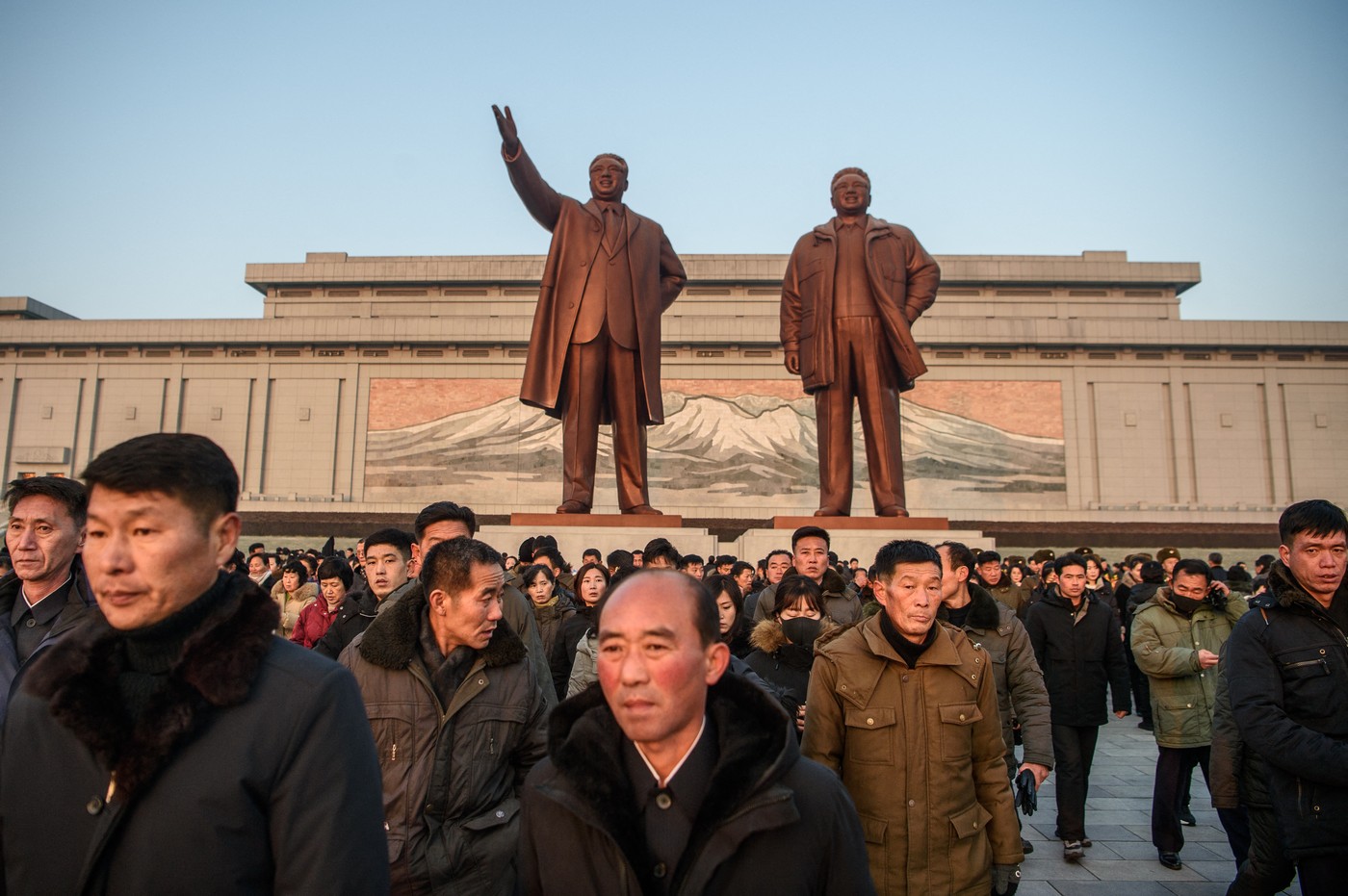
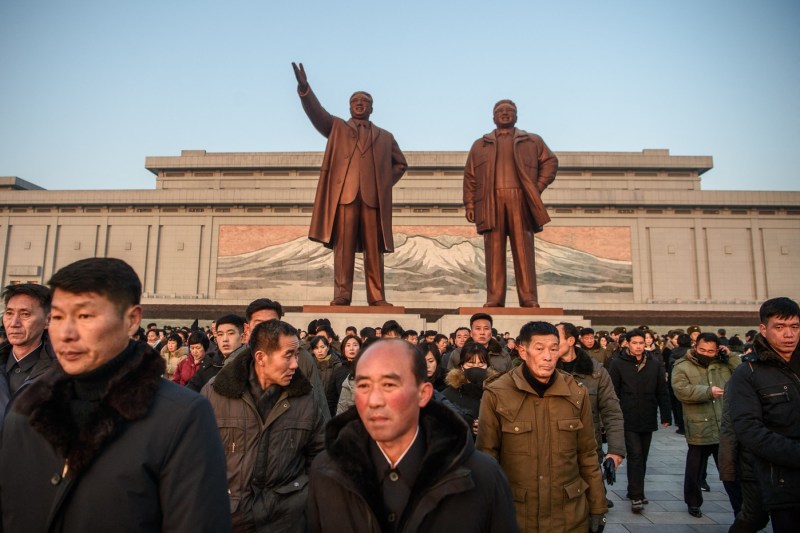
North Koreans paying tribute to Kim Il Sung and Kim Jong Il in Pyongyang on December 17, 2025. Credit: KIM Won Jin / AFP / Profimedia
Il-yong Ju (29 years old), who in 2019 met Donald Trump at the White House, said that December 25 is a date like any other in the communist country from which he fled as a child, where Christmas is banned and Christians are persecuted, Sky News reports.
Il-yong Ju says that in the small North Korean village where he lived, something strange always happened when December 25 came around. His grandfather would visit him and send him to the mountain to cut down a pine tree, and then he would hang small balls of cotton from its branches.
In many countries, decorating the tree is a common ritual when Christmas comes, but in North Korea, December 25 is a date like any other.
“At my house, we just celebrated that kind of thing. But we didn't know what that day was about; it was just that every December 25th, grandpa asked us to do it. “Grandpa taught us, 'hey, niece, other countries besides North Korea, every December 25th, they make a tree like this and celebrate this day.'”
Without knowing the origins of the tradition, his family would display the tree. The neighbors called it “yolka”, the term used by Russian speakers for the Christmas tree erected on the occasion of the new year.
Since Christianity is suppressed in North Korea, no one knew the true origins of the tradition and the family faced no repercussions, Ju said.
“It was possible because my village was a very small village. There were only 30 households in my locality and it was very isolated from the main town,” he recounted.
His family clapped their hands and sang lyrics he didn't understand
Illegally listening to Christian programs from a South Korean radio station, Ju's family clapped and sang words they did not understand and reproduced incorrectly.
“That was the first time I heard about the gospel and Christianity,” Ju said, noting that he and his family even risked execution for listening to the station.
North Korean authorities were making unannounced inspections of homes to check radio frequencies.
“Every time we covered the window with a blanket and turned the volume down so that no one could hear us,” Ju said.
He fled North Korea in 2009
The young man revealed that it was the radio that made his father flee to South Korea, where he sent them “a middleman”. He and his mother escaped the communist country in October 2009 when they crossed the border into China, beginning a journey that took them through three countries before reaching South Korea.
Ju and his family would learn that the words they sang at Christmas when listening to South Korean broadcasts were “Bethlehem” and “sacrifice.”
Open Doors, a charity that champions the cause of oppressed Christians around the world, has described North Korea as the country where believers face the most extreme persecution in 2025.
North Korea has held the top spot every year since 2002, when it was overtaken by Afghanistan.
He met with Donald Trump at the White House
In 2019, Il-yong Ju met with US President Donald Trump at the White House, where he spoke to him about the “persecution of Christians in North Korea”.
“I said that although the persecution is ongoing, people still worship there and yearn for freedom of belief,” said the young man, who currently lives in Seoul, South Korea.
In North Korea, December 24 is a public holiday, marking the birthday of Kim Jong-suk, the grandmother of Kim Jong-un and the first wife of Kim Il-sung – the founding dictator of North Korea.