Artificial intelligence is currently one of the most dynamically developing technologies that is changing the way the economy and society function. However, the sharp increase in valuations of AI companies raises fears of a repeat of the dotcom bubble of the 1990s, the bursting of which led to mass bankruptcies and job losses.
See also: The head of Google warns against the bursting of the bubble. “No company will be immune.”
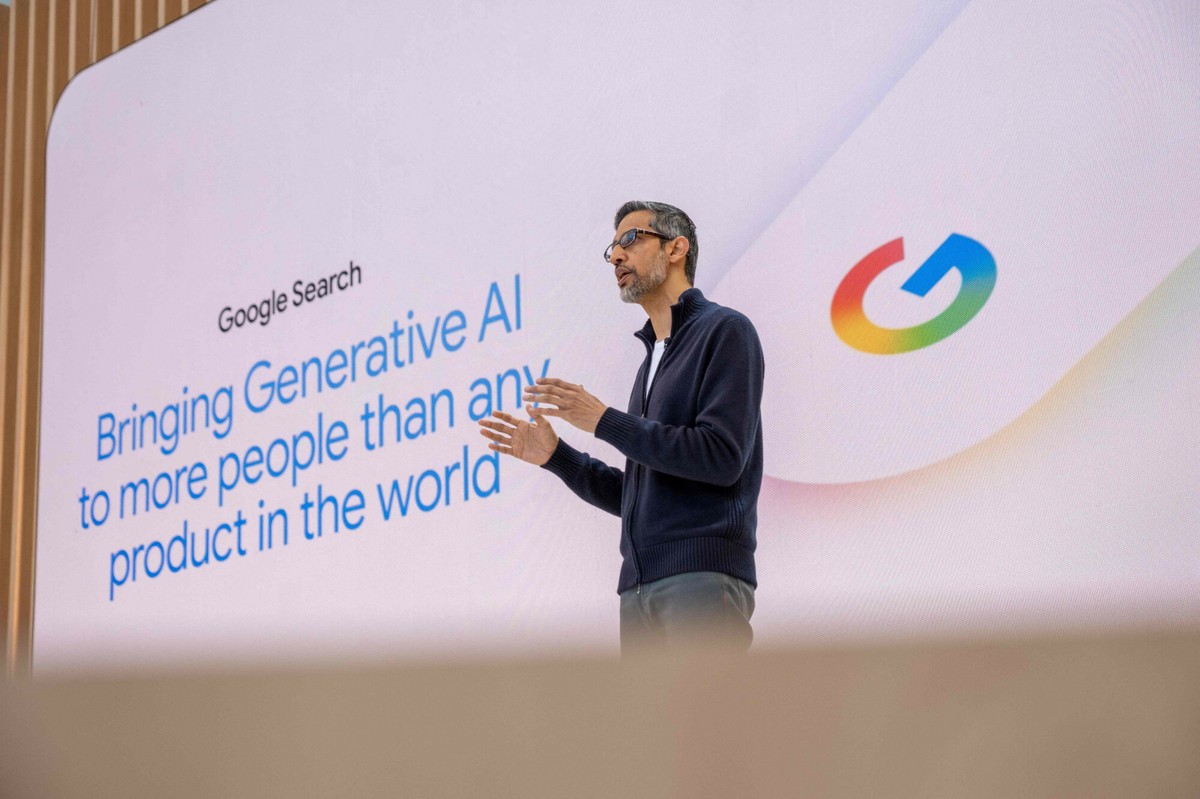
Sundar Pichai told the BBC that while the surge in investment in artificial intelligence (AI) was an “extraordinary moment”, there is a certain “irrationality” to the current AI boom.
The head of Alphabet, which owns the Google search engine, referred to comments by US Federal Reserve Chairman Alan Greenspan in 1996, who warned against “irrational exuberance” in the market long before the dot-com crash. Pichai said the industry can “overdo it” in investment cycles like this one.
The head of Google speaks bitterly about the AI boom. “The Element of Irrationality”
“We can look back at the current state of the internet. There has clearly been a lot of over-investment, but none of us disputes the importance of the internet,” Alphabet's CEO said in an interview with the BBC.
“I expect the same will be true for artificial intelligence. So I think it's both rational and irrational in a situation like this.”
See also: OpenAI has the “Midas touch” today. When Altman names a partner, the odds go up
The Google chief's comments follow a warning from Jamie Dimon, head of US bank JP Morgan, who told the BBC last month that investments in artificial intelligence will pay off, but some of the money invested in this industry “will probably be lost”.
As the BBC reminds, according to the International Energy Agency, AI accounted for 1.5% last year. global electricity consumption. Pichai warned that lack of action to develop new energy sources and infrastructure could limit the economy. He also admitted that intensive AI development has slowed Alphabet's climate goals, although the company remains committed to achieving net zero emissions by 2030.