Prices can now change several times a day. It is easier for companies to raise them than ever

Due to the dynamically changing economic situation and modern technology, prices can change faster than ever – the price you see in the morning can be different in the afternoon. This can be the result of changing supply and demand. This may be the result of the customs. This may be the effect of companies. Unfortunately, what is inexplicable for many consumers is becoming more and more common.
Read also at Business Insider
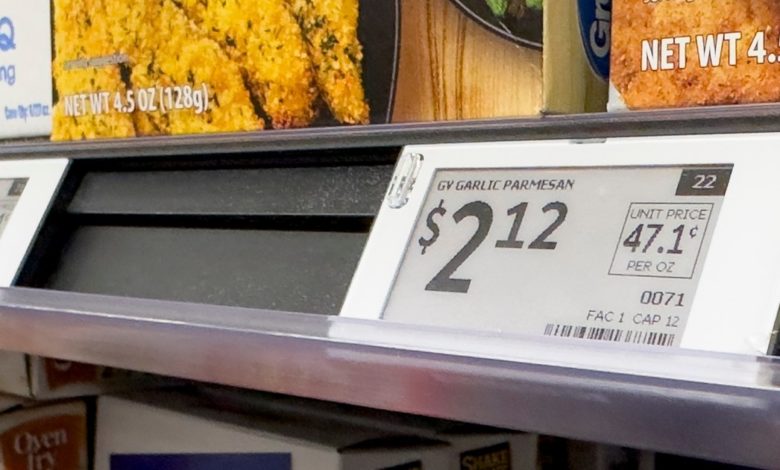
Some remember the confusion about the dynamic setting of prices by the popular Wendy's network last year. The CEO of Fast Food network informed during the conference that the company would test variable prices and make changes to the offer supported by artificial intelligence. The internet reacted panic. This event showed how much the market is changing: prices change before our eyes. Thanks to digital labels, QR codes and transferring online purchases, the price change has become easier than ever. Pandemic made companies more flexible, they can now react faster to shocks in the economy. Instability is a great opportunity to adapt prices to the situation, taking into account profit for the company.
– Considering the uncertainty and variability of this environment, for companies that considers the introduction of dynamic price determination, it can be a good opportunity – says Z. John Zhang, a professor of marketing at the Pennsylvania University, specializing in price strategies and targeting. “It can be a great time to make such a decision,” he adds.
Once dynamic prices, i.e. changing depending on market conditions, were reserved mainly for aviation tickets, hotels or Uber journeys. Consumers were not delighted when in July their ticket cost twice as much as in February, but they understood the rules of demand and supply. However, today dynamic prices enter other markets, into places where this would seem less understandable. Today we are dealing with a unique situation, taking into account the uncertainty at the level of the White House and the global economy. This is the perfect time to implement a very dynamic approach to setting prices.
Three variables
Volatility has always been part of business, but now, as Craig Zawada says, a creative director at Pros Holdings, specializing in price optimization, we are dealing with a “triple effect of variability”.
First, the costs change quickly. Once the company negotiated with suppliers once or twice a year, now it has to do it almost every day.
Secondly, competitive conditions change. Companies in the same industry have similar resources, but not always. If a neighbor imports goods from China, and you not, you can have an advantage, but if he raises prices, should your company also do it?
Third, consumer demand changesoften in an non -obvious and unpredictable way. During periods of economic uncertainty, the sale of products such as lipstick or mini bottles of alcohol is growing.
– All these changes, in the face of instability, are a challenge for companies that want to develop and succeed. They must understand all these changes – says Zawada. – This is where the technology comes in. Thanks to it, it is much easier to have an insight into costs, see market reactions and adapt prices – he adds.
Consumers are increasingly aware of market instability and are beginning to accept price changes. This flexibility makes companies easier to adapt their prices by extending margins in competitive areas to gain more space for maneuver. This is a typical action that some companies have taken during recent inflationary increases. If customers do not accept higher prices, companies can see it and adapt their strategies.
See also: Will we pay more for Nike, iPhones and other goods from the USA? We translate the effects of Trump's duties
Sense of manipulation
Shikha Jain, a partner responsible for the consumer and retail sector in North America in Simon-Kucher, an advisory company, emphasized that setting the product price is more than just choosing a number.
– What does this mean for consumer demand? How do we balance acquiring new customers and maintaining them? What does this mean for our balance and cash flow in the context of profits and losses? She said. – And what does this mean in the context of competition and market? – he adds.
She noticed that companies have significantly improved their prices in recent years, especially after a pandemic, which had a huge impact on the supply chains and consumer behavior around the world. “We haven't had a stable environment for a long time,” she added.
Consumers do not like dynamic prices, even if sometimes it works in their favor. Happy hour, morning promotions, last minute offers for flights and instant sales are examples of dynamic prices. However, for many people, constant price changes up and down seem manipulative. They are convinced that it does not work in their favor.
The current situation sneaks out the standards
Indeed, dynamic prices have not been designed to deal with the current situation. They usually refer to supply and demand, as in the case of a taxi on Saturday evening, which is much more expensive than the same ride on Sunday at 14, not to the fact that the President of the United States raises the prices of everything that comes from China.
“This is a completely different situation where we look at the government's policy and how it can change quickly, and then adapt prices in response,” said Eric Greenleaf, a marketing professor at the Stern School of Business at the New York University, which studies strategies for setting prices.
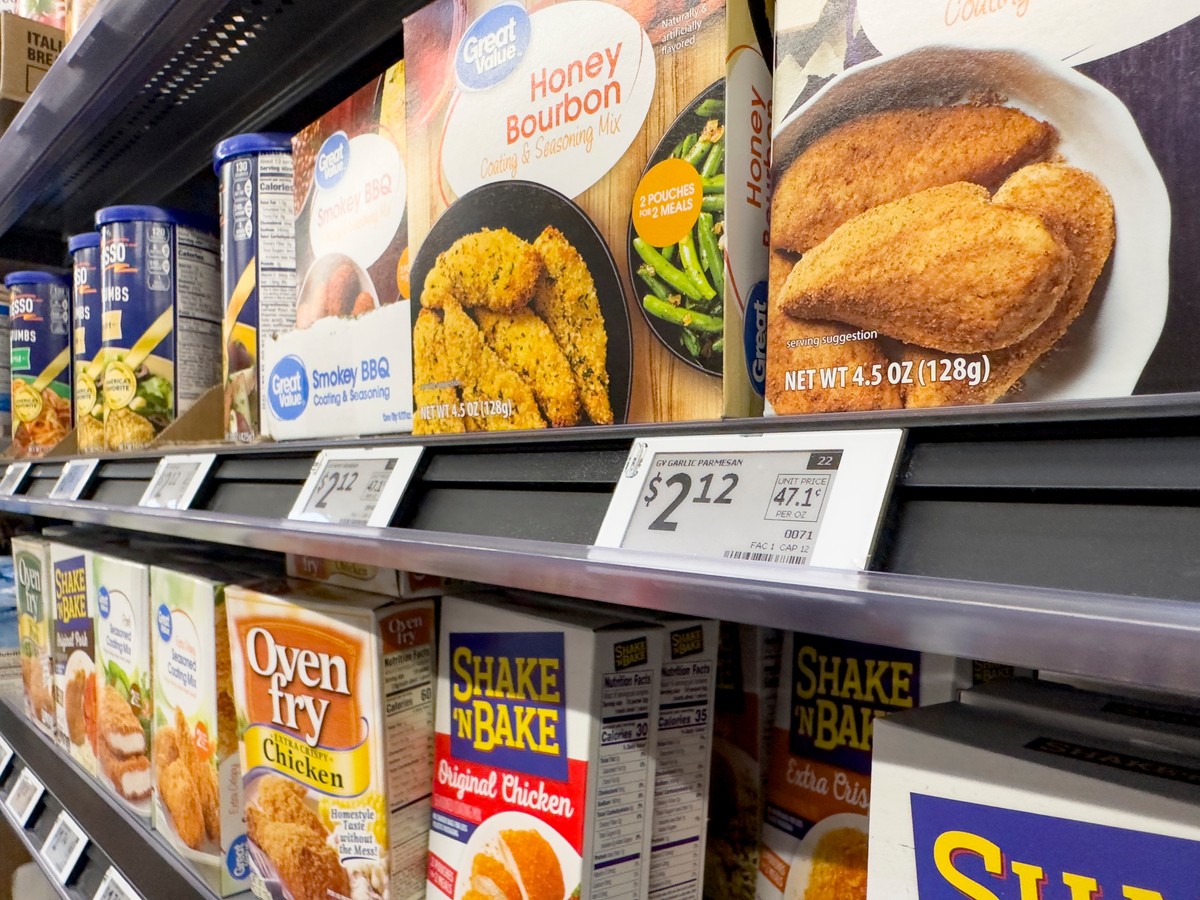
Online -selling companies can quickly change prices using algorithms such as those used by Amazon. Some supermarkets and large -scale stores, such as Walmart (in Poland are also common, among others, in discount stores), introduced digital price labels that can be adjusted in real time. Consumers will probably be able to understand that companies have difficulty with prices resulting from tariffs set “using tweets”. One of the risks associated with the use of dynamic prices is that customers can consider it too clever.
To avoid possible criticism, companies may want to transfer a little responsibility. So the next time you go to the store to buy your favorite coffee, and the price will seem higher than you remembered, maybe a star will appear on the label, with the inscription: “This price increase is President Trump's fault, not ours.”
– Many companies, and this is easier in the case of online sales, will literally say: “Here is how much we wanted to download for it. Here is the tariff. Here is the total price you will pay” – says Greenleaf. – Of course, this may not like the Trump administration, but companies want to explain that they do not benefit from it – he adds.
Fatigue is caused by consumers
This is no different from American restaurants, which at the beginning of the year began to add an additional fee for eggs. Was wholesale eggs? Yes. Was it easy to consider whether a 50 centa increase for the egg in Waffle House was justified? So too. However, Zhang from Wharton believes that adding a tariff fee can be a better solution for companies than putting tariffs into any price algorithm. This fee can be removed when the duties disappear and its calculation is easier than any subsequent, gradual changes in the entire supply chain. In addition, as he said: “You can simply blame Trump,” he says.
Lack of knowledge who is responsible is of course part of the problem from the perspective of consumers. And the very change of tariffs and “stopping” price growth does not mean that the bitter aftertaste that they left in the mouths of consumers will quickly disappear.
“Although customs can change very quickly, consumer optimism will regenerate longer,” Greenleaf said.
Consumers are tired. The last five years have been a period of constant change, and chaos seems to be endless. No wonder people would like their shampoo to cost just as much as it costs, without any games. However, the economy is becoming more and more a “game”, also in terms of prices, regardless of whether consumers want to play it or not.
The above text is a translation with American Business Insider edition
Crowd: Mateusz Albin