A Romanian minister went on a foreign trip paid for by one of the richest states in the Persian Gulf. “The situation puts Romanian officials in a position of inferiority in negotiations”

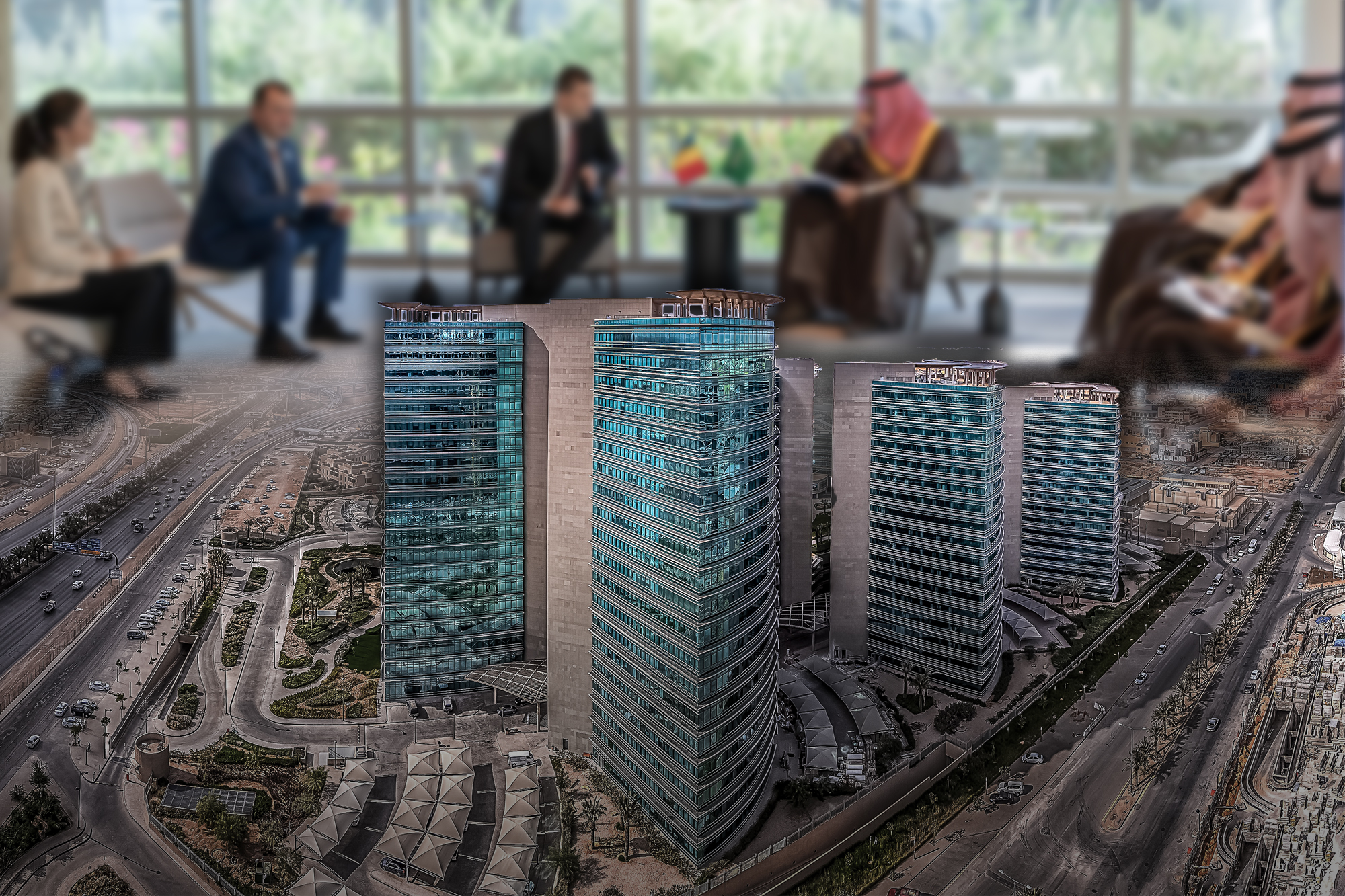
The Minister of Economy, Radu Miruță, went to Saudi Arabia. He says it himself, when he assures, in a post on Facebook, that “no, I did not travel on Romania's money”, the costs of the trip being covered by the state that invited him. Contacted by HotNews, anti-corruption expert Laura Ștefan says that it is not illegal for a Romanian official to be paid the costs by another state for an external visit, but draws attention to the consequences when we accept such a thing.
Minister Radu Miruță traveled to Saudi Arabia and told on Facebook, at the beginning of the week, that he had an “unusually long discussion with His Excellency, Faisal bin Fadhil Al-Ibrahim, the Minister of Economy and Planning of Saudi Arabia, at the headquarters of the counterpart ministry in Riyadh”.
He then detailed the topics covered: “investments in graphite, the development of ski areas in Romania and a direct connection between Romanian sheep and cow breeders and the Saudi Arabian market to eliminate intermediaries who, often, earn more than those who raise the animals”.
At the end of the text, Radu Miruță says that “no, I did not walk on Romania's money”. “I thank the Kingdom for the invitation and for fully covering the costs.”
Why didn't the Romanian minister pay his travel expenses
Contacted by HotNews regarding his post, Radu Miruță said that Romania would have the necessary money to pay the costs, “but at the diplomatic level there are situations and situations”.
He specified that his visit to Saudi Arabia lasted three days: from Saturday to Monday.
“There are situations when members of the Romanian Government, or at least as far as I'm concerned, receive invitations to events where if we participate we have to pay, there are situations where the partner, the counterpart who invites us, provides the costs for the entire trip, as was the case”, explained Miruță.
Asked if Prime Minister Ilie Bolojan's requests to the ministries to reduce their costs also weighed in his decision to accept that Saudi Arabia cover the costs, Radu Miruță admitted that there is “a concern to take care of the money a little more”.
“There are trips that we avoid because they are done online. At least I no longer approve the departure of three or four people from the ministry, but only one or two, depending on what is to be done there. There are trips where we are paid by the ministry or trips where we are paid by the other side, as a package with the invitation we received for the discussions with the ministers there,” said the Minister of Economy.
“The problem is not the cost of travel, but the problem is whether an objective is pursued from that travel and something is done for the interests of Romania”
Radu Miruță said that he has only been a minister for a few months and he does not know concretely if and in which cases Romania has paid the travel and accommodation costs of some officials from other countries who came to Romania.
“Until now, it has not been the case at the Ministry of Economy, but we must not go to the absurd side either, to not be able to make any travel because there are some costs. From my point of view, the problem is not the cost of travel, but the problem is whether an objective is pursued from that travel and something is done for the interests of Romania”, said Radu Miruță.
“The situation puts Romanian officials in a position of inferiority in commercial negotiations”
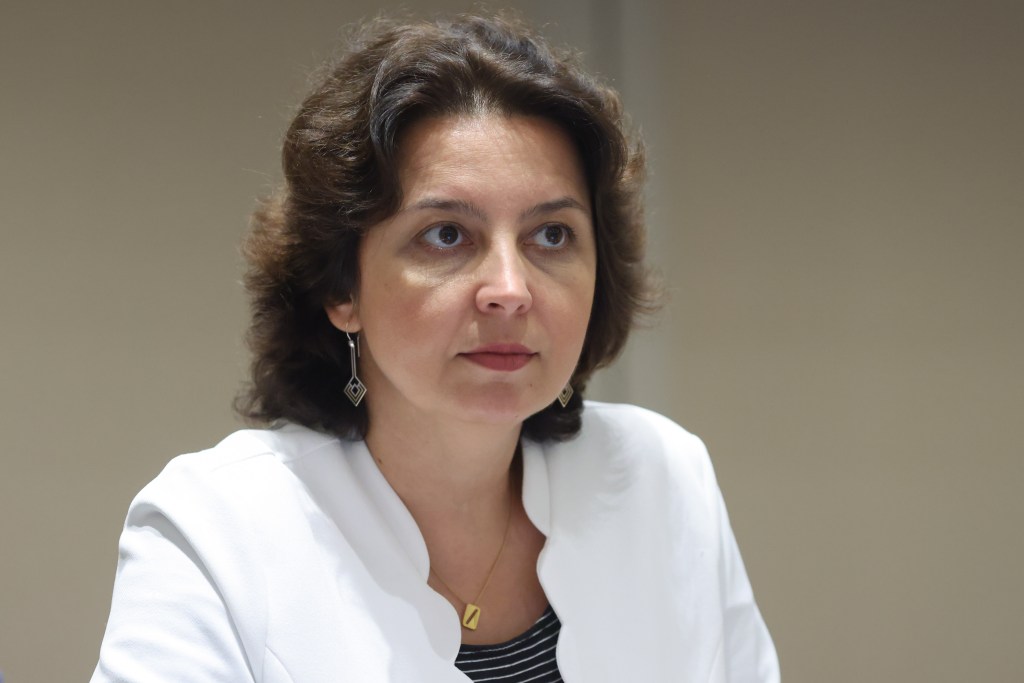
Laura Ștefan is the coordinator of anti-corruption activities for Expert Forum. He also acts as an international expert for the European Commission, the Organization for Economic Cooperation and Development and other international organizations in the fields of legal reform, anti-corruption and money laundering.
She says that these expenses “can be legally covered both from the state budget and by the foreign partner.”
“However, I think that we should start to understand our regional role and educate the society that it is OK for the representatives of Romania to pay the travel costs from their own budget”, Laura Ștefan told HotNews.
“We must overcome the perception in society that we are a state that must be financially supported by trading partners. Cultivating this attitude practically puts our representatives in a position of inferiority in trade negotiations, and it really is not the case. I repeat, I am talking about public perceptions, but they generate behaviors in public office,” she added.
Laura Ștefan claims that although paying the costs of a Romanian official by another state is legal and moral, “I don't think it's commercially advantageous when it comes to business negotiations.”
What is the practice in other countries
The payment of costs for foreign visits by officials from other European countries is not clearly regulated, according to documentation made by HotNews. Specifically, there is no public document or law that prohibits officials from countries such as France, Italy and Spain from accepting payment for foreign travel by the country they are visiting.
The European Parliament and European Commission allow the costs to be paid by host countries in certain situations, but conditions have been tightened after the Qatargate scandal, as Politico reported.
Scotland has stipulated in the Ministerial Code that when ministers “travel on official business, the travel expenses must be borne by the Government”.
“Offers of free transportation or accommodation should not normally be accepted. The only exceptions are in the case of an offer of transportation by a foreign government provided no undue obligation is created or in situations where this is justified for security reasons,” according to the regulation.
Radu Miruță says that all topics discussed in Saudi Arabia “are in a chart”
HotNews asked Radu Miruță and what are the conclusions reached by Romania and Saudi Arabia on the subjects addressed by the Romanian minister during his visit.
“Everything is in a chart, that is, the way I work is to establish with the person with whom I interact a development of subsequent events. A document is drawn up, the teams follow the achievement of some parameters, the document was sent, it was not sent, it was answered, it was not answered, it was disseminated to the business environment there, a response was received. That is, it is a roadmap that we follow in the coming period”, stated Radu Miruță.
He also detailed the discussions that took place, which he says focused on investments and an agreement on animal exports from Romania to Saudi Arabia.
“We discussed investments in graphite, on the ski area and the elimination of intermediaries as much as possible in terms of animal exports from Romania, because it really ends up that some animal breeders receive the lowest price among the intermediaries”, elaborated Miruță.
“It is also to the advantage of Romania, and to the advantage of Saudi Arabia, and producers in Romania receive a higher price if there are no more intermediaries and consumers in Saudi Arabia end up consuming our products at a lower price also thanks to this lack of intermediaries that we are trying to solve. Those in Saudi Arabia disseminate the proposals that we made to the business environment there, we will see if there are still questions, commercial conditions”, explained the Minister of Economy.
Radu Miruță also stated that “these things are not done by pressing a switch, today you went, today you solved the respective problem, but they are done by maintaining a channel through which questions are answered, a visit is made”.